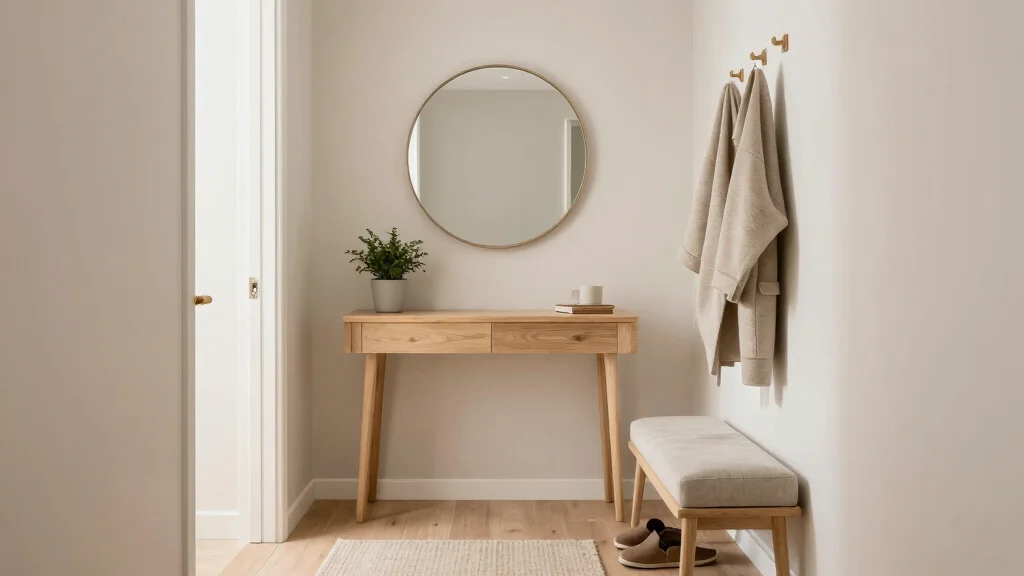
Creating a welcoming entryway can feel like a daunting task, especially when you’re working with a small space. I understand the struggle of trying to make a limited area functional while keeping it stylish. That’s why I put together this post: to help you transform your tiny entryway into a space that not only looks great but also serves your everyday needs.
If you’re someone who loves home decor but doesn’t want to feel overwhelmed by clutter, you’re in the right place. This guide is for busy individuals, families, and anyone looking for practical and aesthetic small entryway ideas. You’ll find creative solutions that fit seamlessly into minimalist designs, making your entryway a reflection of your style without sacrificing functionality.
What can you expect from this article? I’ve compiled ten small entryway ideas that will help you stay organized, using space-saving solutions that are both functional and beautiful. Each tip is designed to inspire you to create a space that feels open and inviting, even if it’s just a few square feet. So let’s dive into these ideas and make your entryway a place that welcomes you home!
Key Takeaways
– Maximize Functionality: Consider a minimalist bench that offers both seating and hidden storage, keeping your entryway neat and tidy.
– Wall Space Utilization: Install wall-mounted shelves to display decor and keep essential items within reach while saving floor space.
– Reflective Elements: Use a multi-purpose mirror to make the area feel larger and serve practical functions, such as checking your appearance before heading out.
– Smart Storage Solutions: Incorporate slim storage units and hooks that blend seamlessly into your decor to enhance organization without crowding your space.
– Cohesive Design: Choose a cohesive color palette to unify the space and create a calming atmosphere, ensuring your entryway remains uncluttered and inviting.
1. Minimalist Bench for Seating and Storage
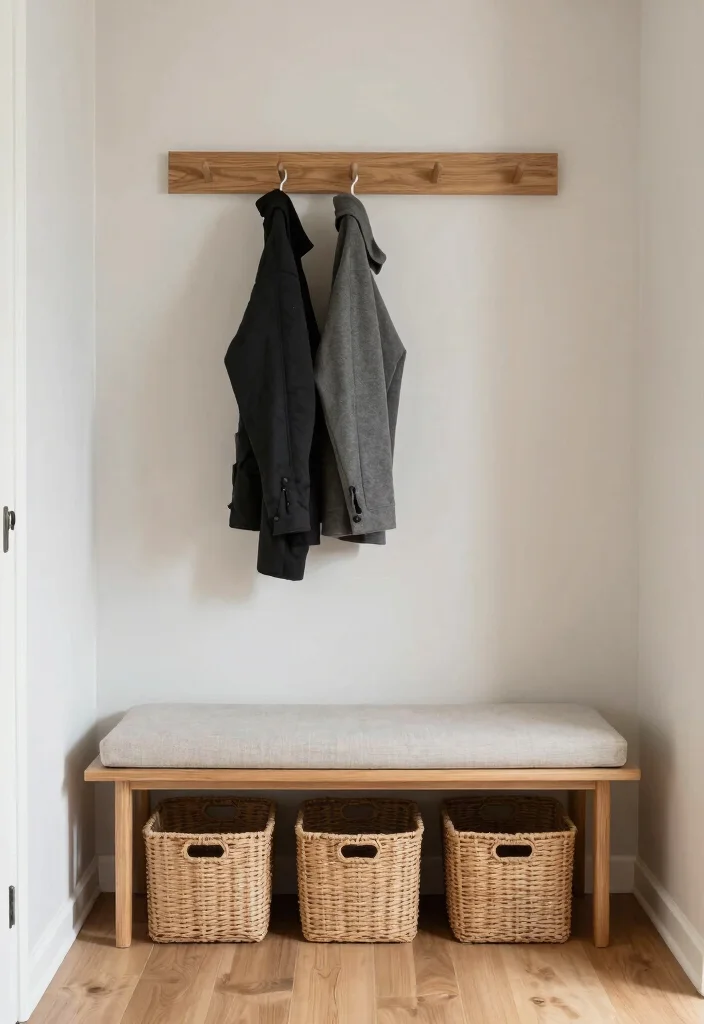
A minimalist bench in your entryway offers a perfect blend of seating and storage. This functional piece not only provides a place to sit while you tie your shoes but also conceals items like shoes and bags underneath. Opt for designs in soft, neutral colors or natural wood to create a calming and inviting atmosphere that enhances your entryway’s aesthetic appeal.
To maximize the benefits of your bench, consider these practical tips:
– Place the bench against the wall to free up walking space.
– Use decorative baskets or stylish boxes for organized storage.
– Add a cozy cushion for extra comfort.
– Pair it with a wall-mounted coat rack to keep your outerwear off the bench.
This approach balances functionality and style, ensuring your entryway remains uncluttered and welcoming.
2. Wall-Mounted Shelves for Display and Storage
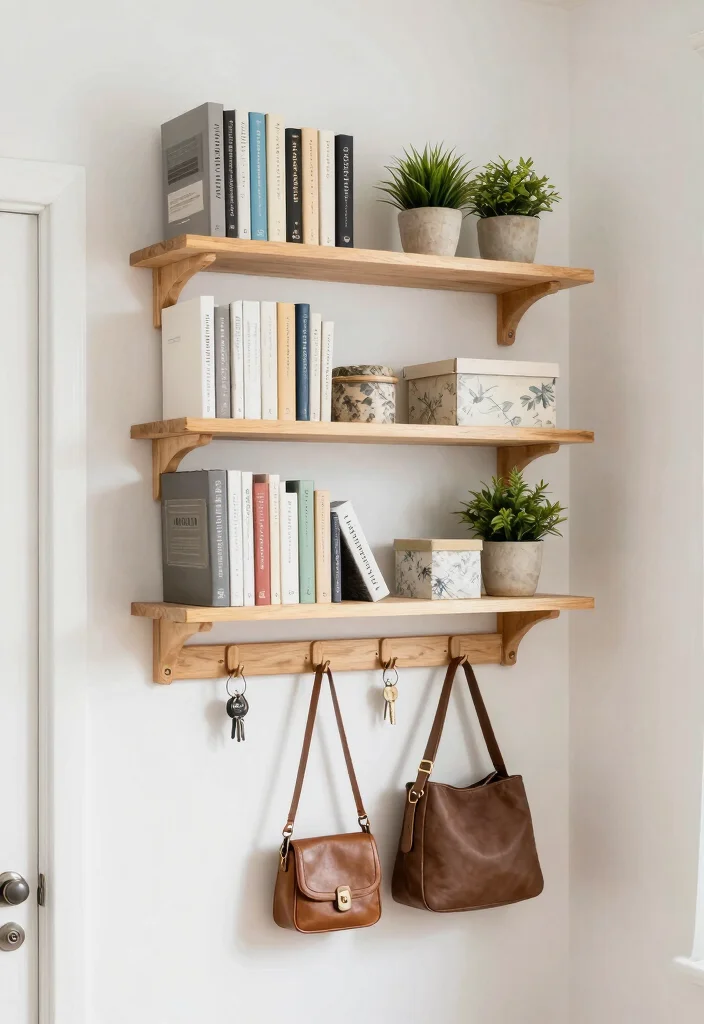
Wall-mounted shelves are an excellent way to showcase decor while keeping your entryway tidy. They provide a perfect spot for decorative items and practical solutions like keys and mail, transforming vertical space into a design feature. By going vertical, you not only save floor space but also add depth and character to your walls.
Here are some tips to effectively utilize wall-mounted shelves:
– Choose shelves that resonate with your decor style—go for wood for warmth or metal for a sleek look.
– Balance your arrangement by mixing books, plants, and decorative boxes for a personal touch.
– Place heavier items lower for stability and safety.
– Add small hooks underneath for hanging keys or bags for added convenience.
This idea creates an aesthetically pleasing display while keeping your space organized and functional.
Wall-Mounted Shelves for Display and Storage
Editor’s Choice




Dimensions & Size Guide
When planning your small entryway, understanding dimensions is key to creating a functional and uncluttered space. Here’s a detailed size guide to help you navigate the essential measurements and space requirements.
Standard Sizes & Measurements:
– Entryway Bench: A typical bench measures around 45-60 inches in length, 15-20 inches in depth, and 18-20 inches in height. This size provides enough seating while allowing space for storage underneath. For comfort, aim for a minimum of 18 inches of space in front of the bench for ease of movement.
– Wall-Mounted Shelves: Standard shelves can range from 24-36 inches in length and 8-12 inches in depth. Ensure the bottom shelf is at least 24 inches from the floor for easy access while still allowing space above for decor items.
– Hooks and Racks: Hooks should be placed about 60-66 inches from the ground. Aim for at least 12 inches of vertical space between hooks to accommodate different coat lengths.
– Console Tables: A floating console table typically measures 30-48 inches in width and is about 10-14 inches deep. Ensure it’s mounted at a height of 30-36 inches from the floor for optimal use.
Quick Reference Table:
Size/Dimension – Best for: [use case] – Minimum space needed: [measurement]
– 45-60 inches (Bench) – Best for: Seating and storage – Minimum space needed: 18-24 inches in front
– 24-36 inches (Shelf) – Best for: Display and storage – Minimum space needed: 12 inches depth
– 10-14 inches (Console Table) – Best for: Small decor items – Minimum space needed: Wall clearance of 10 inches
– 60-66 inches (Hooks) – Best for: Coats and bags – Minimum space needed: 12 inches between hooks
Space Planning Tips:
1. Measure First: Before purchasing, always measure your entryway dimensions. Use a tape measure to confirm width and height to ensure your chosen furniture fits perfectly.
2. Leave Room to Move: Consider traffic flow. You should have at least 30 inches of clearance for walkways. This spacing avoids a cramped feel and allows for easy movement.
3. Think Vertical: Utilize wall space for storage solutions. If you’re short on floor space, think about vertical options like shelves and hooks. They take up less room while maximizing storage.
4. Avoid Overcrowding: Place only essential items in your entryway. Clutter can quickly make even the most functional area feel chaotic. Limit decor to a few key pieces to maintain a minimalist look.
5. Check Proportions: Ensure your furniture proportions match the scale of your entryway. If your space is tiny, opt for slimmer pieces that won’t overwhelm the area.
Pro Tip: The most important measurement to remember is the clearance space. Always allow at least 30 inches for walking paths. This makes your entryway feel open and functional while keeping it easy to navigate.
3. Multi-Purpose Mirror
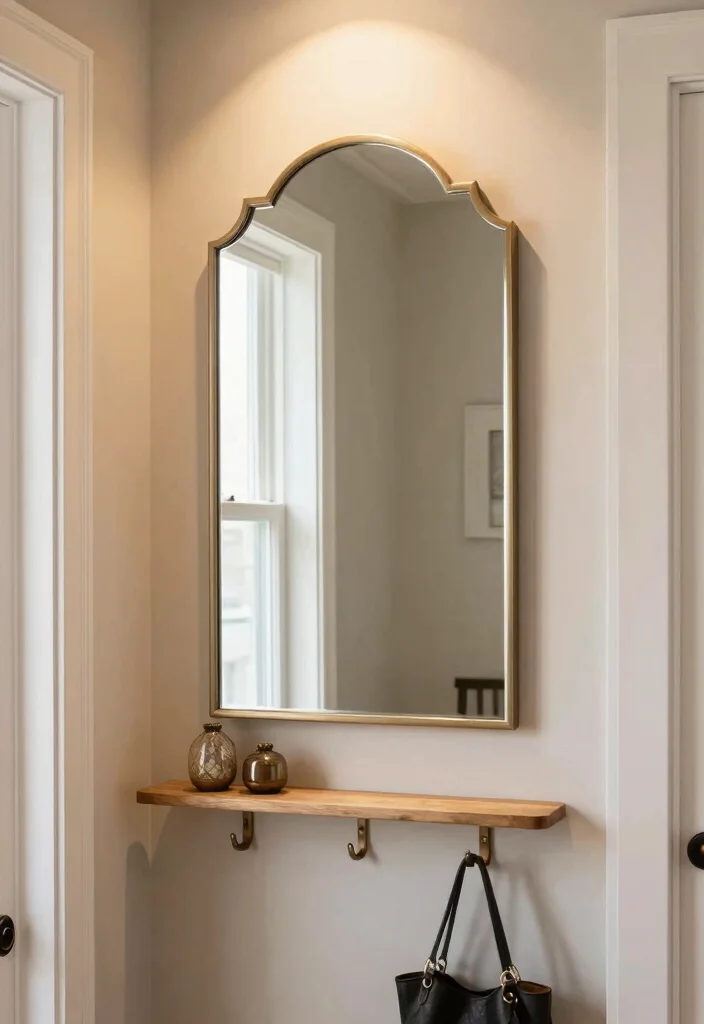
A multi-purpose mirror can significantly enhance a small entryway, creating a sense of openness and brightness. Not only does it allow you to check your reflection before leaving, but it also serves as an elegant focal point that draws the eye. By reflecting light, a mirror can make your space feel larger and more inviting.
To make the most of your mirror, consider these suggestions:
– Select a mirror with a unique shape or stylish frame that complements your decor.
– Position it opposite a window to maximize natural light.
– Add a shelf or hooks nearby for extra functionality.
– Incorporate lighting around the mirror to create a warm ambiance.
This design choice adds beauty and practicality to your entryway, ensuring you step out feeling your best.
Multi-Purpose Mirror
Editor’s Choice


4. Smartly Placed Hooks
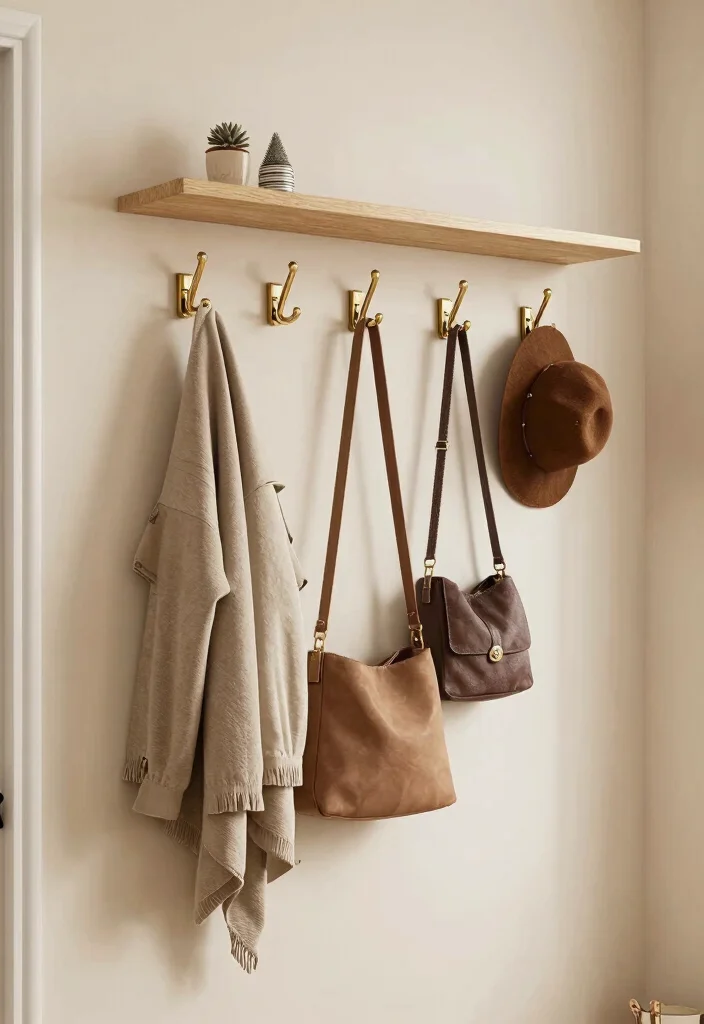
Hooks are essential for optimizing a small entryway, especially when floor space is limited. Installing hooks at varying heights allows you to hang coats, bags, and hats conveniently, making them a vital part of your organizational strategy. Choose stylish hooks that enhance your decor theme, ensuring everything stays cohesive and visually appealing.
For effective hook placement, keep these tips in mind:
– Install hooks at various heights for versatility and ease of use.
– Opt for decorative hooks to add personality to your space.
– Consider a small shelf above for additional storage or display opportunities.
– Keep frequently used items within arm’s reach for added convenience.
This clever use of vertical space helps keep your entryway organized while looking chic and welcoming.
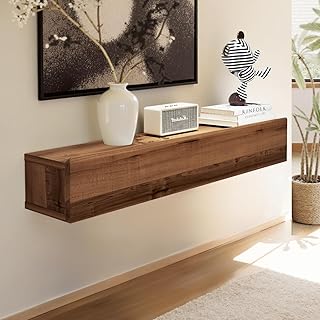
5. Floating Console Table
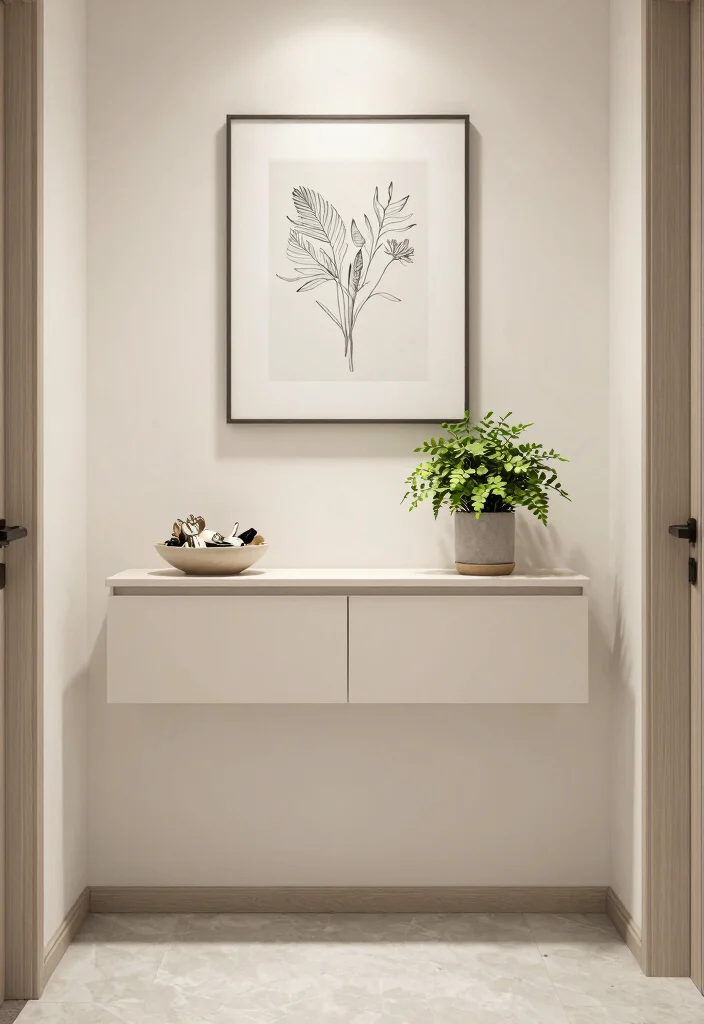
A floating console table is a fantastic choice for small entryways, offering a surface for essentials without consuming valuable floor space. This sleek design adds a modern touch and serves as a display area for decorative items, mail, or keys, maintaining an organized and neat appearance.
When selecting a floating console, consider these key points:
– Ensure it’s sturdy enough to accommodate everyday items.
– Choose a design that aligns with your existing decor, whether minimalistic or classic.
– Pair it with a stylish bowl or tray for easy organization of small items.
– Install it at a height that allows for easy access.
This solution enhances both functionality and style, promoting a decluttered, minimalist vibe in your entryway.
Floating consoles prove small entryway ideas really work—try a slim, sturdy model for keys, mail, and a charger. It frees floor space and keeps surfaces neat. Pro tip: pair it with a tiny tray to corral essentials and reduce clutter.
Floating Console Table
Editor’s Choice



6. Slim Storage Solutions
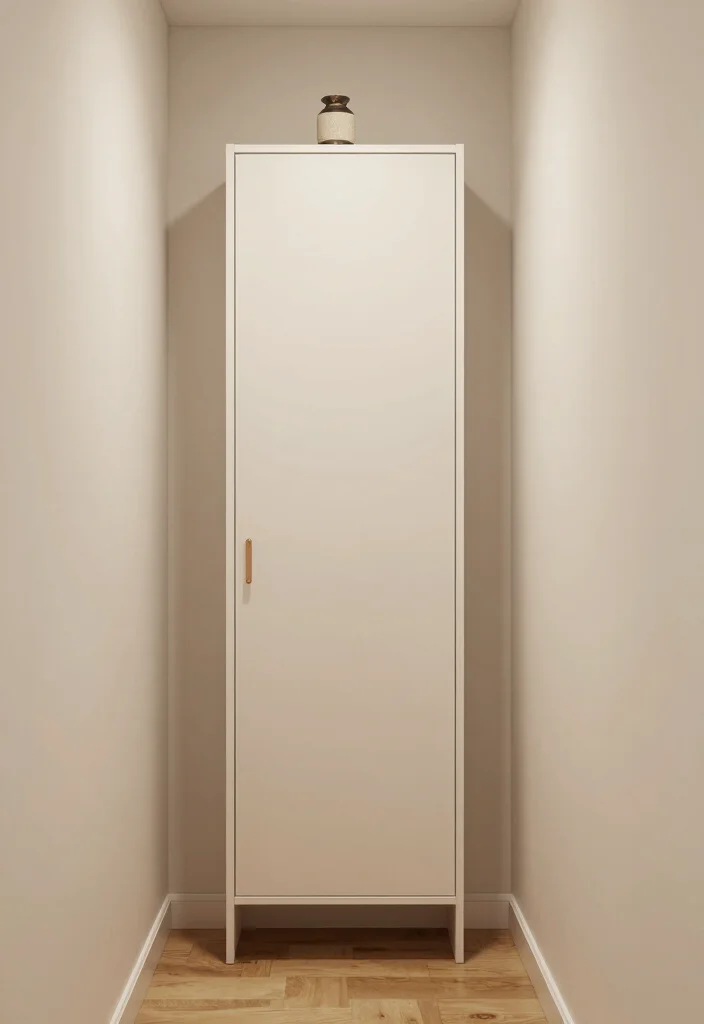
Slim storage solutions are crucial for small entryways, helping to keep clutter at bay while maximizing space. Tall, narrow cabinets and slim drawers can fit perfectly into tight corners, providing ample storage for shoes, bags, and other essentials that would otherwise create chaos.
Consider these options to optimize your storage:
– Look for vertical storage units that utilize height effectively.
– Choose cabinets with doors to conceal items and maintain a clean look.
– Open shelving can display decor or serve as a practical storage solution.
– Incorporate decorative baskets or bins for easy organization.
This approach ensures you have enough storage without compromising the aesthetic of your entryway.
Slim Storage Solutions
Editor’s Choice


7. Decorative Rugs for Definition
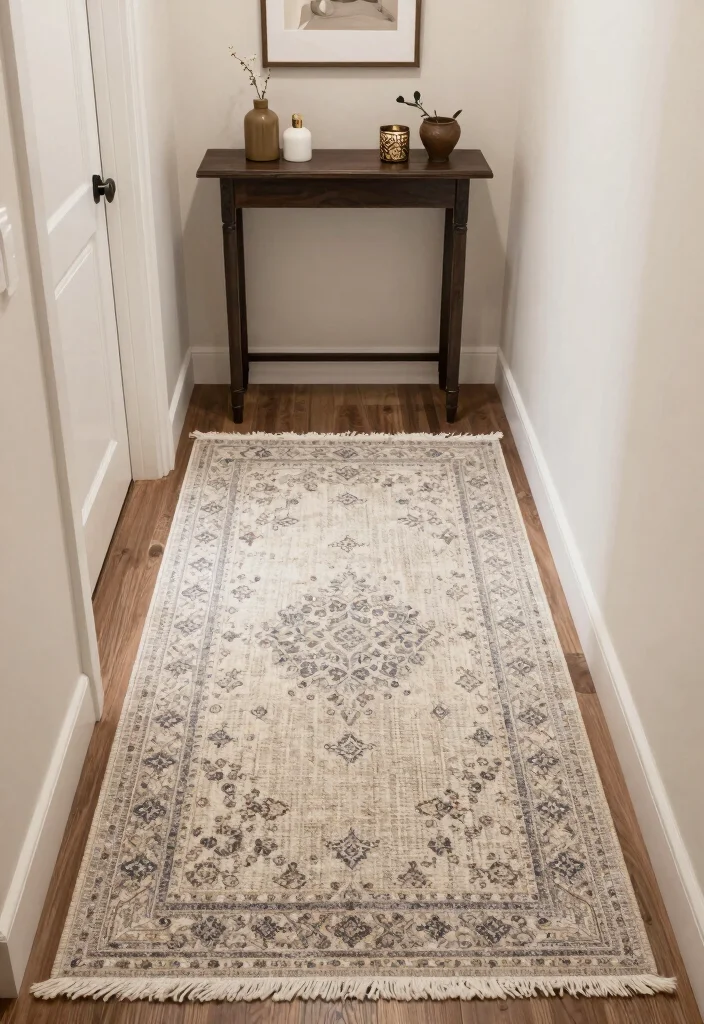
A decorative rug can beautifully define your entryway while adding warmth and texture to the space. Even in a compact area, a well-chosen rug creates a welcoming atmosphere and serves the practical purpose of catching dirt and debris from shoes.
To select the perfect rug, keep these tips in mind:
– Choose a durable material that withstands heavy foot traffic.
– Opt for designs that complement your decor style—bold patterns for impact or subtle tones for tranquility.
– Ensure the rug is appropriately sized for the space without overpowering it.
– Consider a washable option for easy upkeep.
This simple addition elevates your entryway’s style while ensuring it remains functional.
Decorative Rugs for Definition
Editor’s Choice
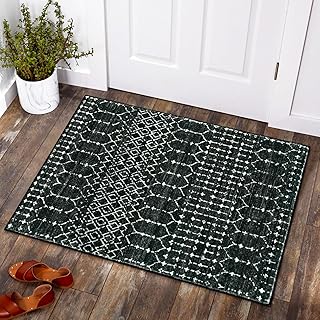


8. Smart Use of Plants
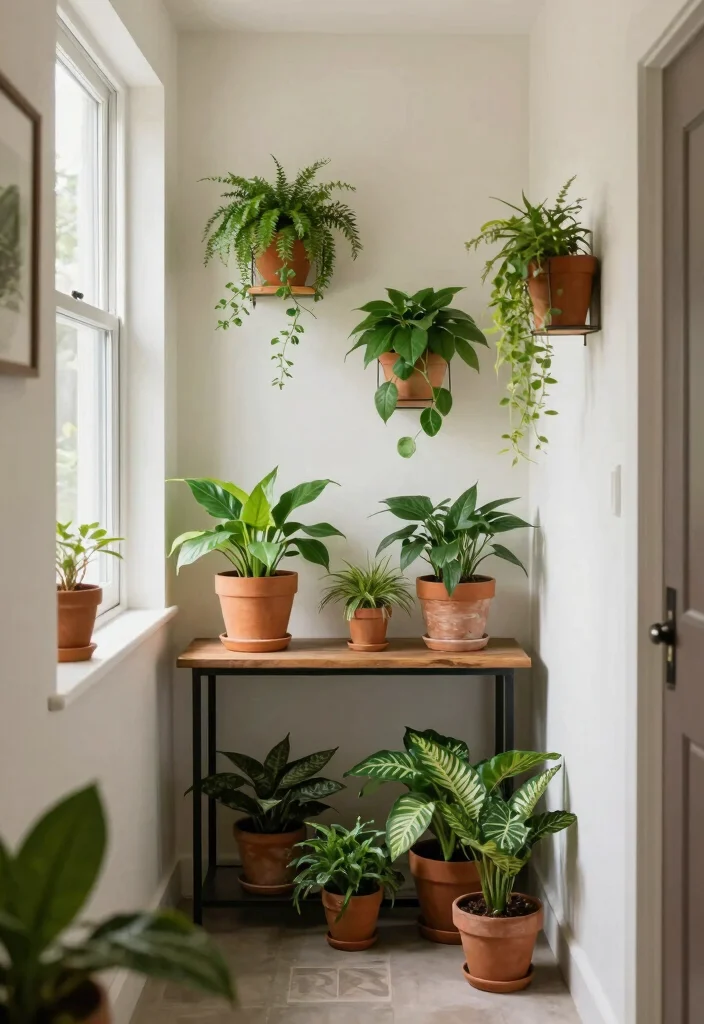
Incorporating plants into your entryway infuses life and freshness while keeping the area uncluttered. Plants not only enhance air quality but also add vibrant colors that brighten the decor, making them ideal for small spaces.
Here’s how to effectively integrate plants:
– Select low-maintenance varieties that thrive in low light, like snake plants or pothos.
– Use vertical planters or wall-mounted pots to save surface space.
– Consider a small console table adorned with a plant for a lovely focal point.
– Group plants of varying heights for visual interest.
This idea brings a natural touch to your entryway while maintaining an airy and light environment.
Fun fact: In a tiny entrance, adding 1–2 low-maintenance plants can boost the feel of space by up to 30%. For small entryway ideas, vertical planters and a compact console with a plant make every inch count.
9. Personalized Details
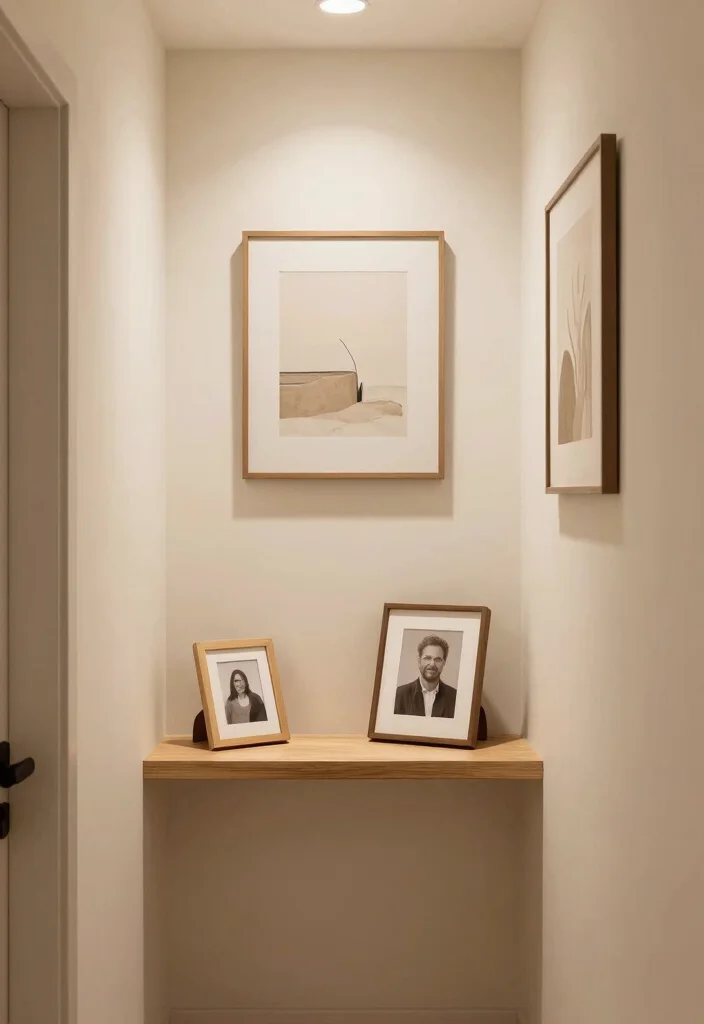
Adding small personal details can make your entryway feel distinctly yours while maintaining a minimalist design. Incorporate a few select items that reflect your personality—think framed photos, unique artwork, or cherished mementos—without overwhelming the space.
For a personalized touch, consider these ideas:
– Use a slim tabletop to display a curated selection of personal items.
– Choose artwork that resonates with you while complementing the overall decor.
– Incorporate a custom piece, such as a name plaque or decorative initials.
– Keep it simple to avoid clutter and maintain a streamlined look.
This approach allows you to express your style while ensuring your entryway remains functional.
10. Cohesive Color Palette
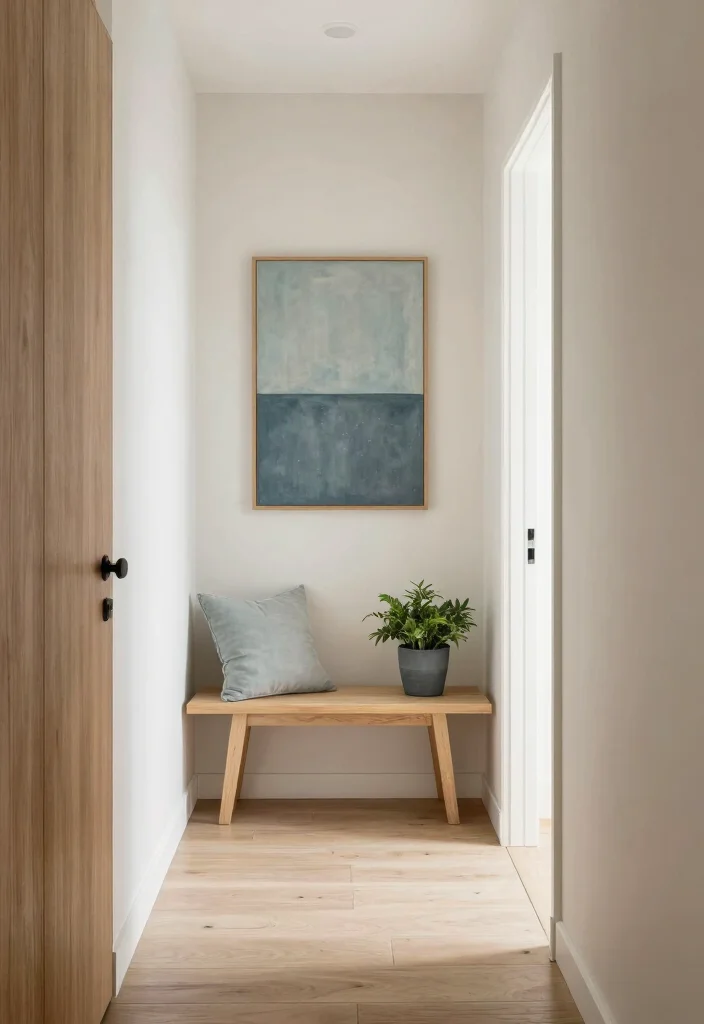
A cohesive color palette in your entryway can create a serene and organized environment. By sticking to two or three complementary colors, you can unify all elements from walls to decor items, enhancing the overall aesthetic and keeping the focus on functional decor.
To achieve a harmonious look, follow these steps:
– Start with a neutral base color for your walls or large furniture pieces.
– Introduce accent colors through smaller items like rugs, artwork, and decor.
– Select materials in matching tones, such as wood, metal, or fabric, to create visual harmony.
– Remember that simplicity is key; less is often more.
This strategy ensures your entryway remains both functional and visually appealing.
Fun fact: using a cohesive color palette of 2–3 complementary colors can make a small entryway feel twice as calm and organized. Start with a neutral base, then add color with rugs and art—perfect for small entryway ideas.
Conclusion
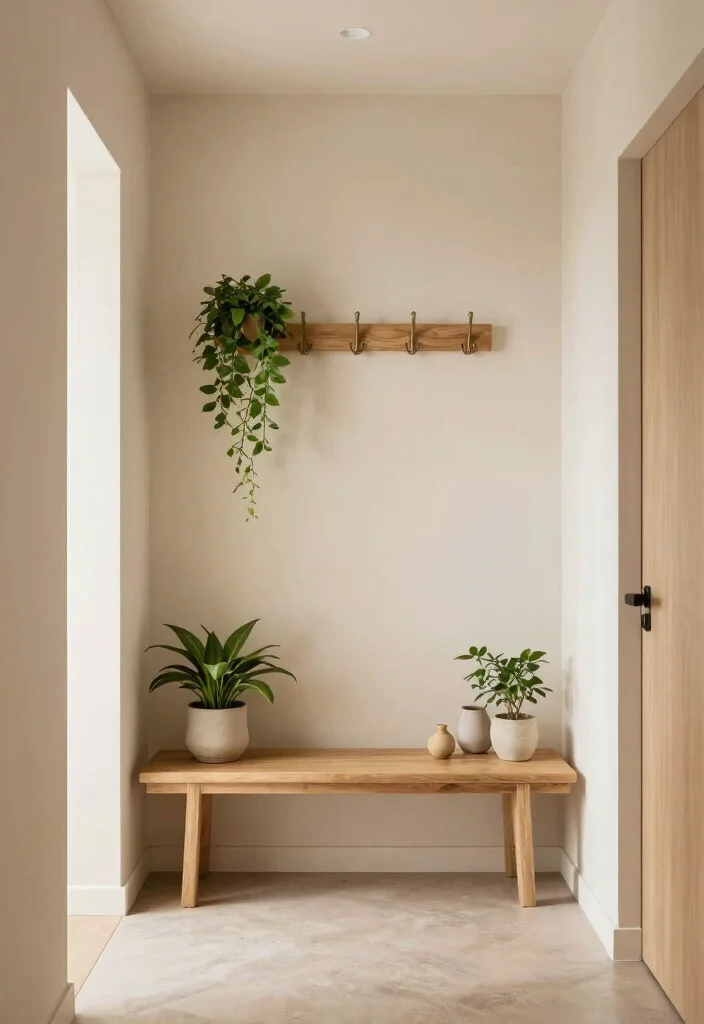
Creating a small entryway that is both functional and stylish is totally possible with the right ideas. Whether you’re integrating smart storage solutions, decorative elements, or a cohesive color scheme, each suggestion contributes to a more organized and welcoming atmosphere.
By using these small entryway ideas, you can maintain a minimalist approach while ensuring every inch of your space serves a purpose. Don’t be afraid to mix and match these tips to create your perfect entryway that reflects your personal style and meets your needs.
Note: We aim to provide accurate product links, but some may occasionally expire or become unavailable. If this happens, please search directly on Amazon for the product or a suitable alternative.
This post contains Amazon affiliate links, meaning we may earn a small commission if you purchase through our links, at no extra cost to you.
Frequently Asked Questions
What are some small entryway ideas that keep the space functional and uncluttered?
Here are practical small entryway ideas that stay functional and uncluttered: start with a slim, wall-mounted console or shelf instead of a bulky table; add a tall vertical organizer to use dead wall space; install hooks for coats and bags; use a bench with hidden storage or a lift-top ottoman; add a mirror to visually expand the space; keep decor minimal with one framed piece or a small plant; use labeled baskets for daily items.
Key tips: prioritize entryway organization with space-saving solutions, and stick to minimalist design principles. This is small space decor that feels open and intentional.
How can I maximize storage in a tiny entryway without making it feel cramped?
To maximize storage in a tiny entryway: use vertical space—install a wall-mounted shoe rack and wire cubbies; choose a slim storage bench or ottoman with hidden bins; add over-the-door organizers for accessories; consider built-in niches or a platform that stores under a compact bench; keep a single row of hooks at eye level to reduce clutter; rotate items seasonally and keep only daily wear inside; label baskets for quick grab-and-go.
This approach supports space-saving solutions and entryway organization.
What minimalist design tips help create a calm, organized entryway?
Minimalist design tips for an entryway: choose a calm neutral palette and limit surfaces to keep things simple; select multi-functional pieces like a slim console that doubles as a charging station; use concealed storage to hide everyday clutter; keep decor to 1-2 items and one plant; ensure good lighting with a bright ceiling light or wall sconces; use consistent materials and clean lines to create a sense of order.
Practical steps: 1) pick 2-3 core materials (wood, metal, fabric) 2) hide cords and tech devices 3) regularly purge unused items. This aligns with minimalist design and small space decor goals.
What are space-saving decor ideas that still feel inviting in a small entryway?
Space-saving decor ideas that still feel inviting: add a wall mirror to reflect light and create depth; paint walls in light hues; install a slim, floating shelf with a small LED light; choose a compact bench with built-in storage and functional decor storage; hang a gallery of 1-3 simple frames instead of clutter; use a narrow rug to anchor the space; bring in a small plant in a vertical planter to keep floor space clear.
These space-saving solutions keep the entryway welcoming while staying uncluttered.
How should I organize shoes, coats, keys, and bags in a small entryway?
To organize shoes, coats, keys, and bags in a small entryway: create zones near the door—daily-use items within easy reach; install sturdy hooks for coats and bags at a comfortable height; place a small tray or dish on a console or key shelf for keys and wallets; use a slim shoe rack or under-bench storage for daily footwear; add baskets or bins for accessories, sunglasses, and mail; rotate items seasonally and keep a quick drop zone for items that only go out of the house occasionally. Follow the rule: one in, one out, and keep the rest stored. This supports entryway organization and small space decor.