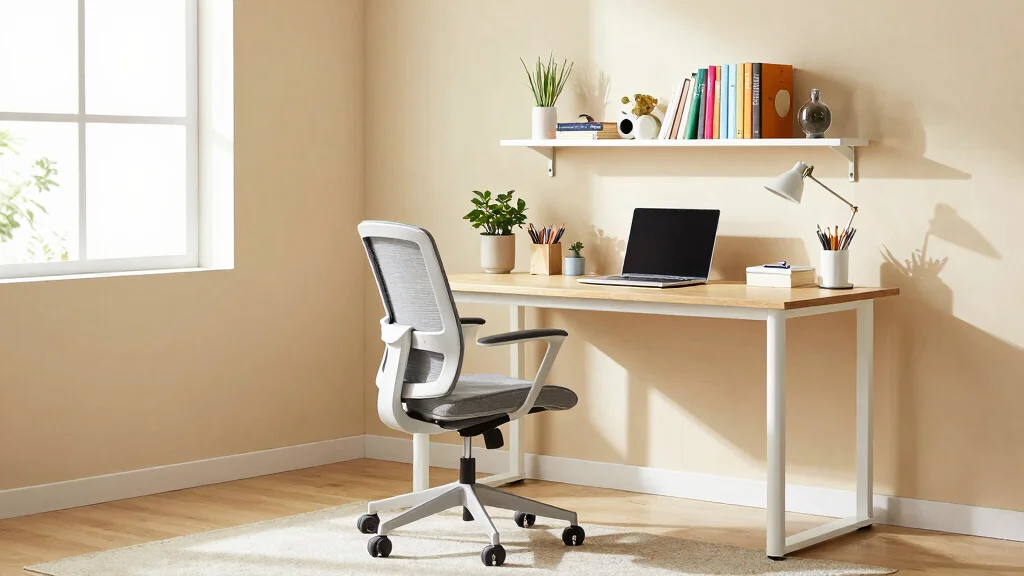
Creating a cozy and productive home office can feel like a daunting task, especially if you’re working with limited space. But don’t worry; you’re not alone in this struggle! With more people working from home than ever, I felt compelled to share some of the best home office ideas that can transform your small workspace into a haven for productivity and comfort. Whether you’re a remote worker, a freelance creative, or just someone who needs a designated spot for digital tasks, this guide is for you.
If you’re like many others trying to balance aesthetics with functionality, you’ll find that crafting a beautiful workspace doesn’t have to mean sacrificing comfort. This post is tailored for anyone who wants to infuse their home office with style while maximizing every inch of space. I’ve gathered 16 thoughtful ideas designed to inspire you to create a workspace that not only looks good but feels good too, helping you stay productive day in and day out.
From embracing minimalism to selecting the right ergonomic furniture, these tips will guide you toward a workspace that suits your lifestyle. So, get ready to discover a range of creative designs, smart storage solutions, and productivity tips that will help make your home office a place you actually enjoy spending time in.
Key Takeaways
– Discover how to embrace minimalism to create a clutter-free workspace that promotes focus and organization.
– Learn about the importance of ergonomic furniture to enhance comfort and prevent strain during long work hours.
– Explore creative workspace designs that maximize small spaces while making a stylish statement.
– Find smart storage solutions that help keep your office organized and efficient, even in tight areas.
– Get inspired by productivity tips that include personalized desk accessories and mindfulness breaks to recharge your energy.
1. Embrace Minimalism
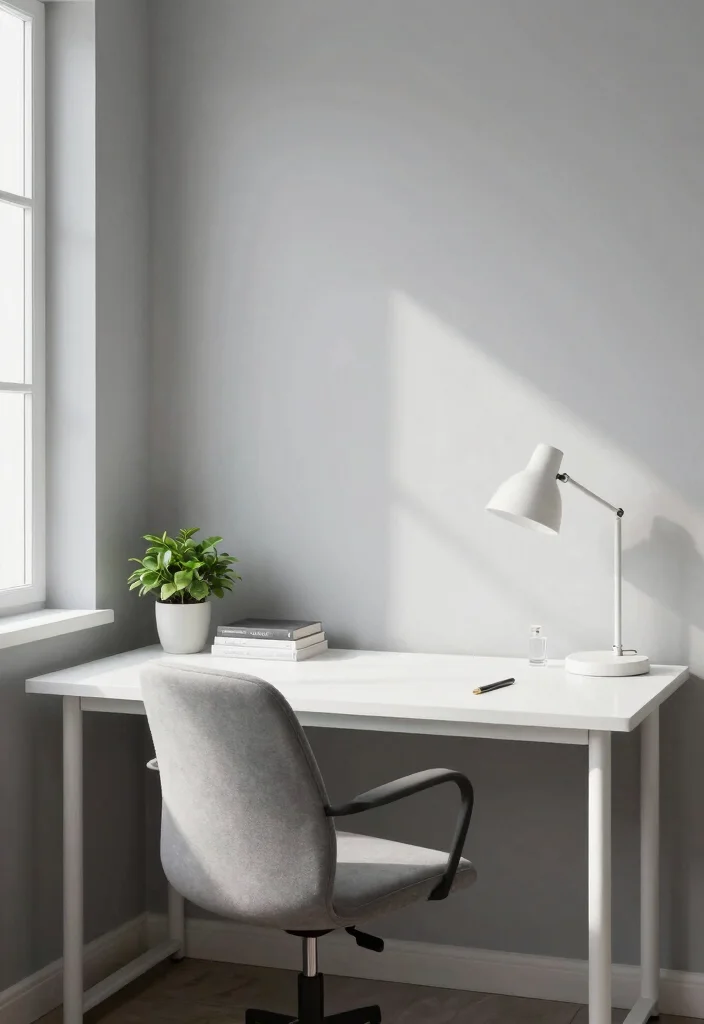
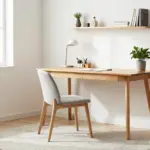
Minimalism is more than a design choice; it’s a pathway to enhanced productivity. By crafting a workspace free from clutter, you cultivate a serene environment that fosters concentration and creativity. Opt for essential furniture pieces, such as a sleek desk with integrated storage, to keep your essentials organized and accessible. Shades of white, gray, and gentle pastels can make the space feel airy and expansive, creating a comforting backdrop for your work.
To fully realize the benefits of minimalism, focus on keeping only what you need. Consider budget-friendly options like thrifted furniture or DIY storage solutions to achieve this look without overspending. This approach aligns with broader design trends that prioritize both function and emotional well-being.
Tips for a minimalist workspace:
– Limit decor to one or two plants and a few personal items.
– Use hidden storage solutions to keep essentials organized.
– Invest in quality over quantity when selecting office supplies.
By embracing minimalism, you not only enhance your workspace’s aesthetics but also promote a more efficient workflow.
Embrace Minimalism
Editor’s Choice



2. Ergonomic Furniture
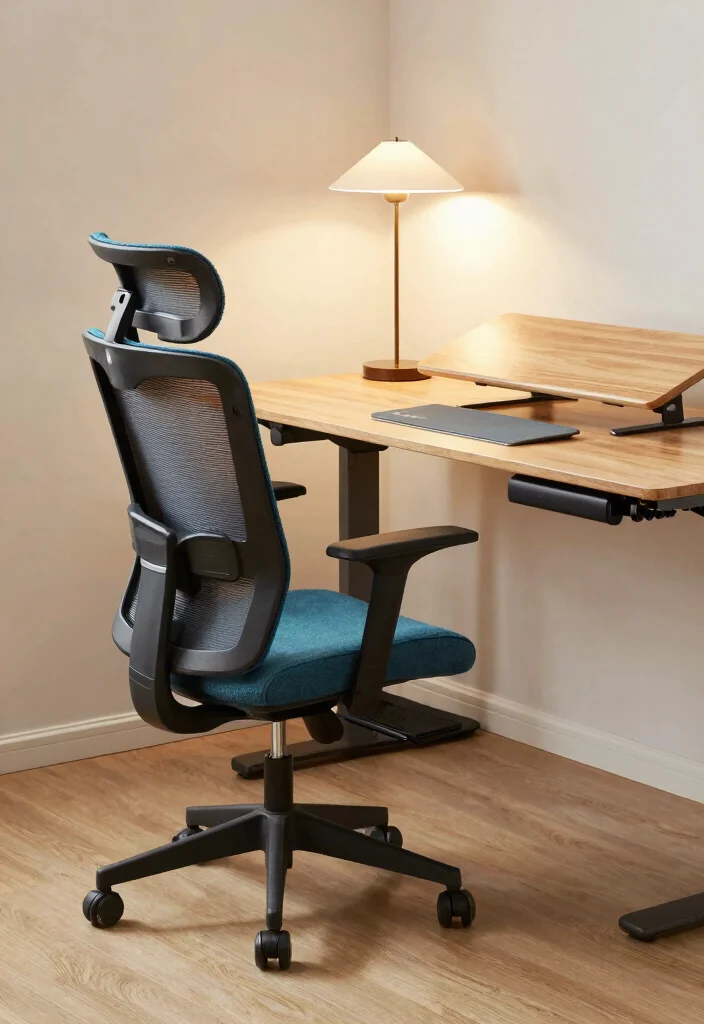
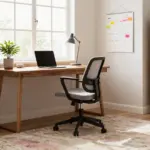
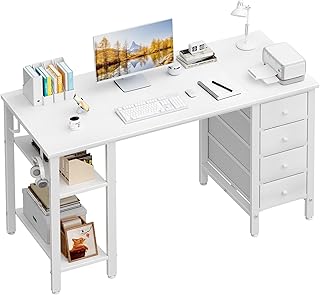
Incorporating ergonomic furniture into your home office can drastically improve your work experience. A well-designed ergonomic chair and an adjustable desk can alleviate discomfort during long hours of work. Look for chairs that support your lower back and desks that can easily transition between sitting and standing, ensuring you maintain good posture.
This investment is not just about comfort; it’s also about longevity. You might find budget-friendly ergonomic options at discount retailers or by purchasing second-hand. Enhancing your workspace with ergonomic solutions promotes a healthier lifestyle and aligns with the growing focus on well-being in design.
Benefits of ergonomic furniture:
– Reduces the risk of long-term injury.
– Increases productivity by enhancing comfort.
– Adapts to different tasks, whether you’re typing or making notes.
Complement your ergonomic setup with accessories like keyboard trays and footrests to maximize comfort and efficiency.
3. Creative Workspace Designs
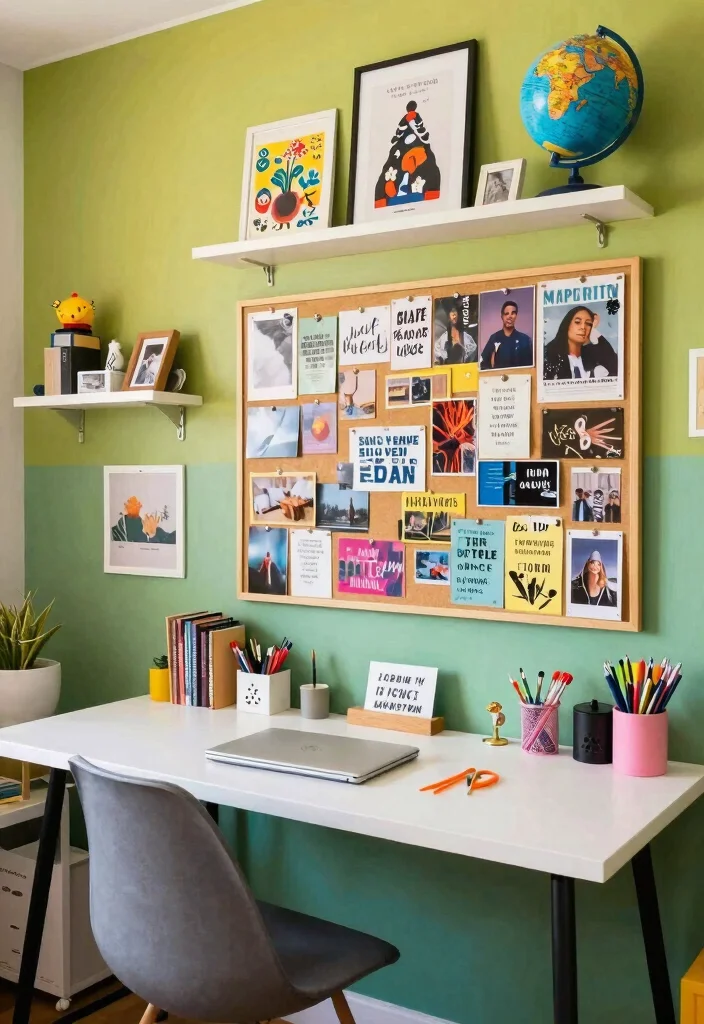
Infuse your home office with a personal touch by embracing creative designs that reflect your unique style. Incorporating vibrant wall art, colorful accents, or themed decor can transform your workspace into a source of inspiration. Consider creating a feature wall with removable wallpaper or bold paint patterns to add energy and character to the room.
To maximize creativity, think about integrating functional elements that also serve as decor. Utilizing budget-friendly DIY art projects or thrifted finds can keep costs low while allowing for personal expression. A lively workspace not only looks good but also keeps you motivated and engaged with your tasks.
Design ideas to spark creativity:
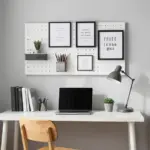
– Use a pinboard for inspiration and reminders.
– Hang bright art pieces that energize the room.
– Incorporate shelves with fun and quirky items that speak to your personality.
A creative workspace can invigorate your daily routine and make work feel less like a chore.
4. Smart Storage Solutions
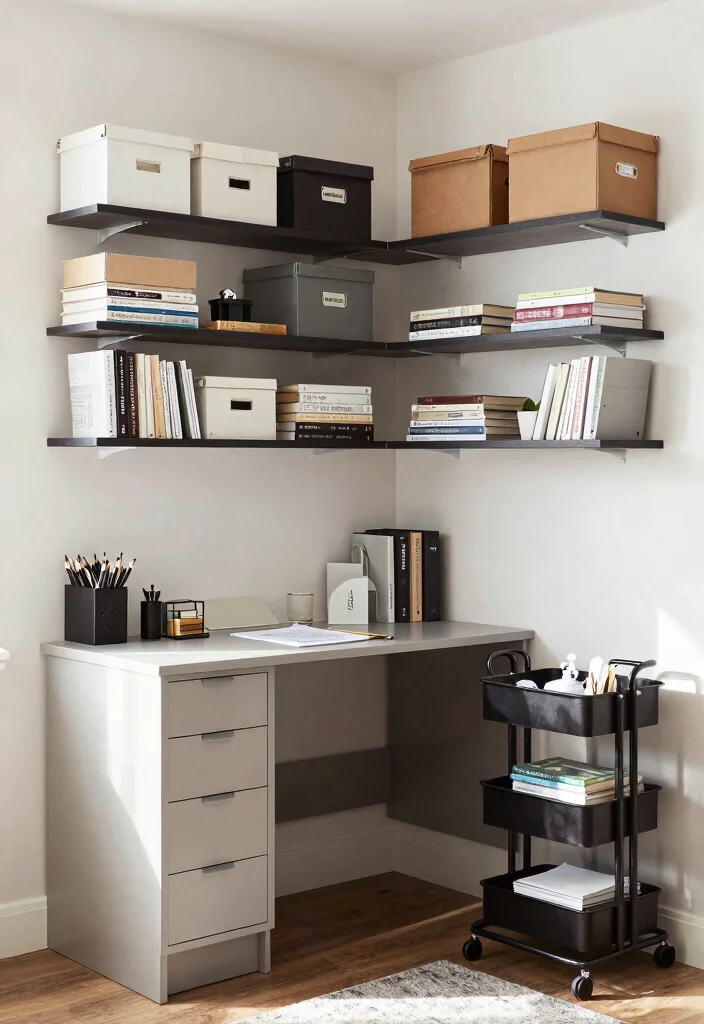
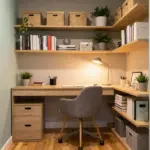
In compact areas, efficient storage becomes essential for maintaining order and enhancing productivity. Make the most of vertical space by utilizing shelves and wall-mounted organizers. Desks with built-in drawers and compartments can help keep your essentials within easy reach, promoting a clutter-free environment.
You can explore affordable storage options from local stores or DIY solutions using repurposed materials. This aligns with the trend of maximizing small spaces without sacrificing style.
Storage tips:
– Use decorative boxes to hide documents while adding a design element.
– Incorporate a rolling cart for portable storage that can be tucked away when not in use.
– Label storage bins for easy access to frequently used items.
With clever organization, your workspace can remain tidy and stylish, creating a serene atmosphere for productivity.
How To Choose Ergonomic Furniture for Your Home Office
Choosing the right ergonomic furniture for your home office can significantly impact your comfort and productivity. Here are some important criteria to help you make the best choice:
1. Size Matters
Before purchasing any furniture, measure your space. You need enough room for movement without feeling cramped. A desk should leave you with at least 36 inches of space to walk around. Additionally, ensure that the chair fits under the desk comfortably, allowing for legroom.
2. Adjustable Features
Ergonomic furniture should be customizable. Look for chairs with adjustable heights, seat depths, and backrests. A desk that can be adjusted for sitting or standing offers versatility. These features help you find the ideal position for your body, reducing strain.
3. Material Quality
Select materials that provide both support and comfort. Chairs made with breathable fabric or mesh can keep you cool during long work hours. Desks made of solid wood or sturdy metal provide stability. Think about durability as well; you want furniture that lasts.
4. Supportive Design
Examine the design of the chair and desk. A good ergonomic chair should have lumbar support, which helps maintain the natural curve of your spine. Desks should have a flat surface to avoid strain on your wrists while typing. Look for furniture that supports your body well.
5. Budget Considerations
Set a budget before shopping to avoid overspending. Ergonomic furniture can range from budget-friendly to high-end options. Research and compare prices online to find good deals without compromising quality. Remember, investing in your comfort will pay off in productivity.
6. Read Reviews
Before making a purchase, check out reviews from other users. Look for feedback on comfort, durability, and ease of assembly. Reviews can provide insights on how well a product holds up over time, helping you make a more informed decision.
Pro Tip: Don’t rush into buying. Spend time sitting in chairs if possible. Test them out in-store or order from retailers with good return policies. Comfort is key, so make sure your choice feels right for you!
5. Inspiring Views
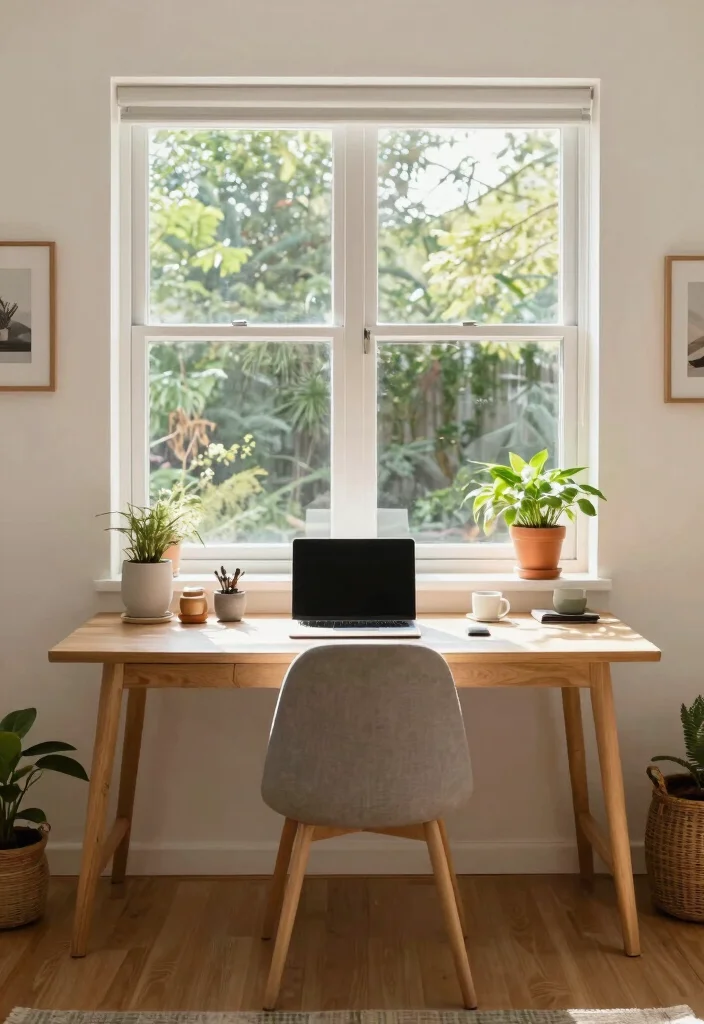
A home office that boasts a view can significantly elevate your mood and productivity levels. Positioning your desk near a window allows for an abundance of natural light while connecting you to the outdoors. If your current view isn’t ideal, consider hanging artwork or placing plants at eye level to enhance the overall ambiance.
Ideally, create a workspace that inspires you every day. You can source inexpensive artwork or plants to refresh your view without breaking the bank. Connecting with nature in this way promotes a positive mindset and aligns with contemporary design trends that prioritize well-being.
Advantages of a good view:
– Reduces stress and enhances creativity.
– Promotes a positive mindset and productivity.
– Encourages taking breaks to recharge.
Selecting a workspace that inspires you can greatly enhance your daily experience and motivation.
Inspiring Views
Editor’s Choice
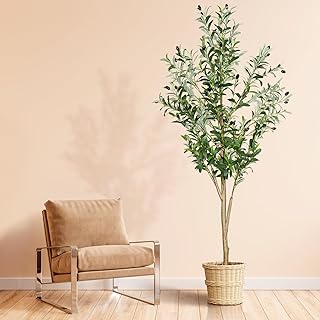




6. Cozy Textiles
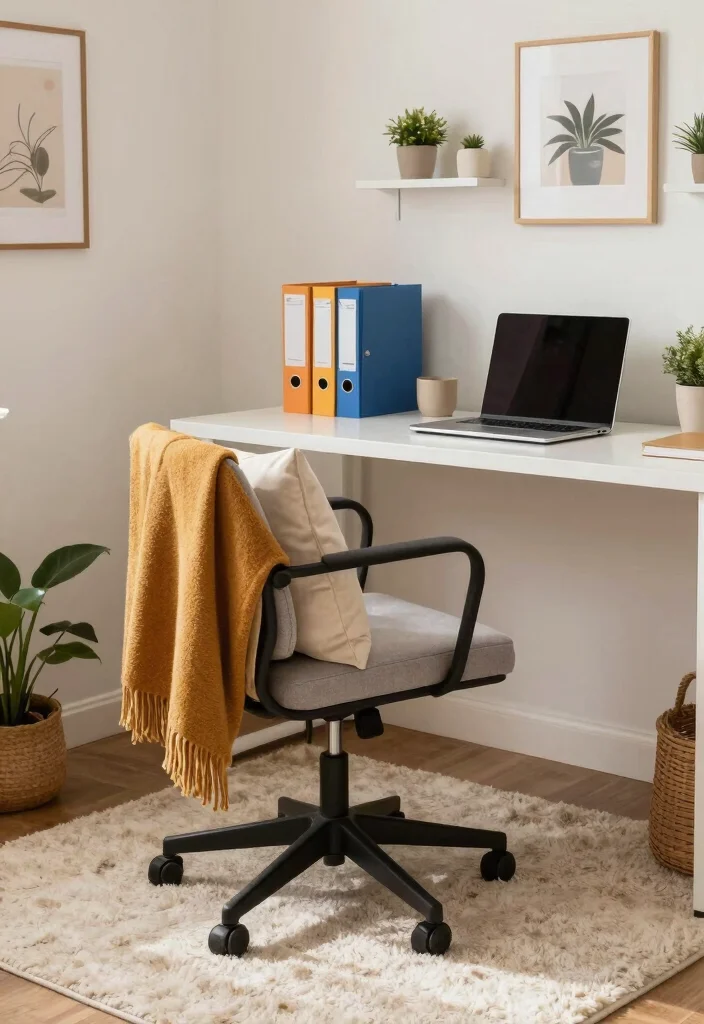
Introducing cozy textiles into your home office creates a warm and inviting atmosphere. Items like soft rugs, plush cushions, and warm throws can enhance comfort while adding color and texture to your space. Opt for materials like cotton, wool, or faux fur to cultivate a snug environment that you love spending time in.
Layering textiles can be a cost-effective way to enhance comfort and style. You can often find affordable options at local shops or online marketplaces. These cozy touches align with the growing trend of prioritizing comfort in design.
Textile tips:
– Layer rugs for added warmth and style.
– Use a throw blanket over your chair for added comfort.
– Choose cushions in fun patterns or colors to liven up your space.
These thoughtful choices create an inviting environment that makes working from home feel a little more special.
7. Color Psychology
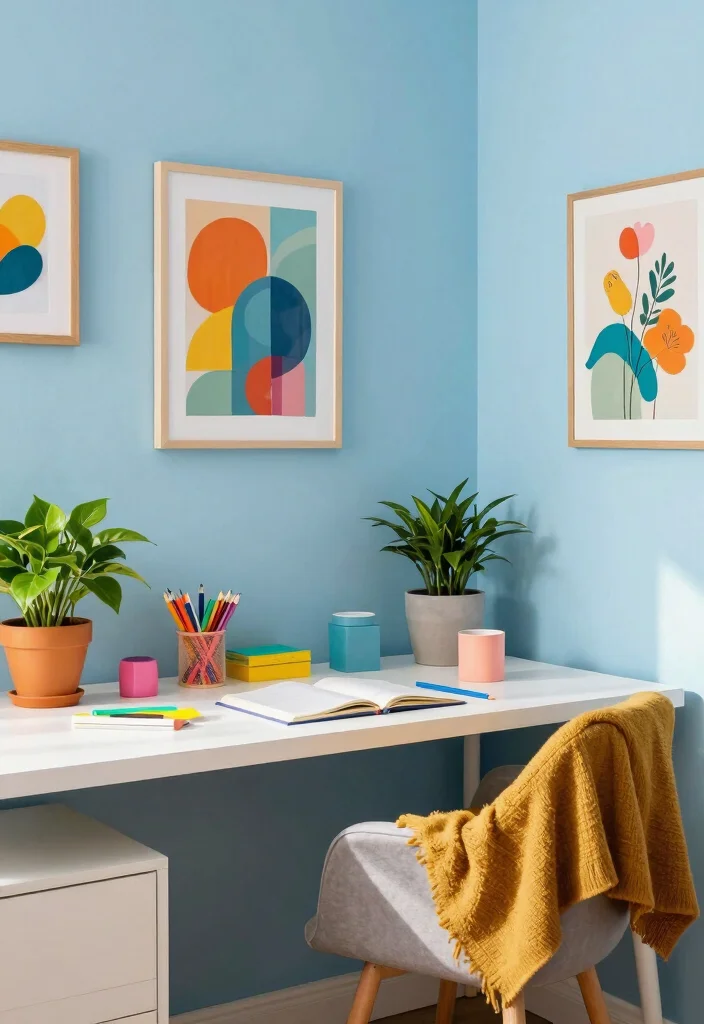
The colors you choose for your workspace can profoundly affect your mood and productivity. Selecting hues that inspire and motivate—like calming blues or energizing yellows—can set the tone for your workday. If you’re working in a small area, lighter shades can help create an illusion of space and openness.
You can easily incorporate color through small accessories or artwork, keeping costs low while making a big impact. This approach aligns with the modern understanding of color psychology, emphasizing its role in enhancing creativity and focus.
Color choice ideas:
– Use warm tones for a cozy atmosphere.
– Incorporate pops of color through accessories instead of wall paint.
– Balance bold colors with neutral tones for a harmonious look.
Understanding color psychology can empower you to create a workspace that energizes and inspires.
8. Indoor Plants
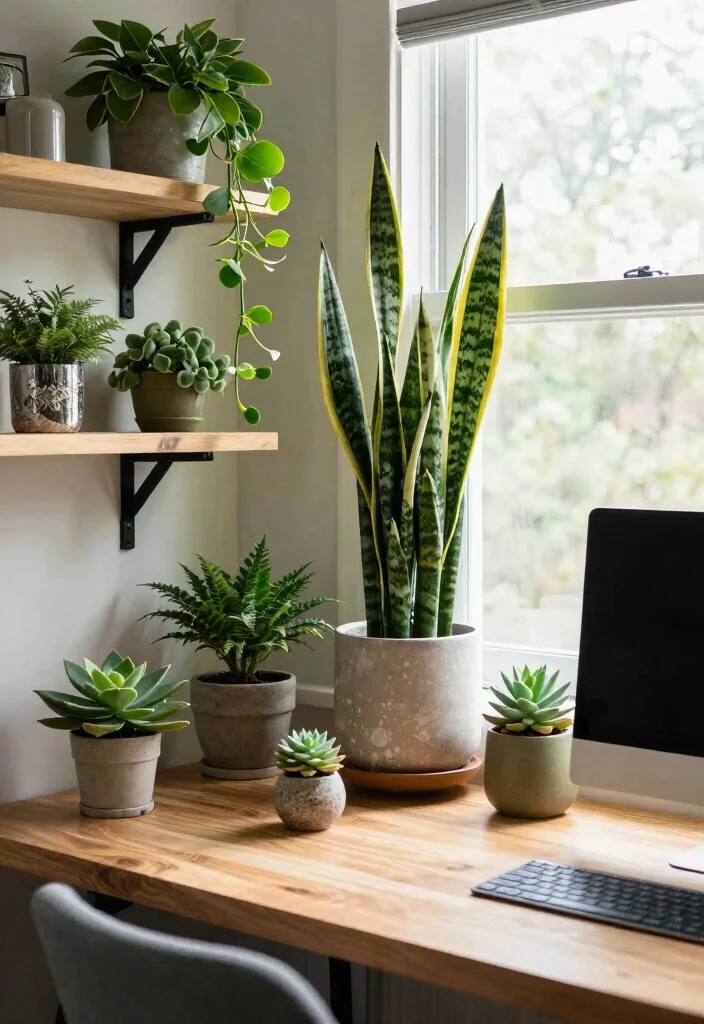
Integrating indoor plants into your workspace can elevate both your mood and air quality. Low-maintenance options like succulents, snake plants, or pothos are perfect for small spaces and add a refreshing touch of nature. These plants create a calming environment that can enhance focus and creativity.
Choose easy-care plants that thrive in low-light conditions to ensure success. Stylish pots can also add a decorative element without requiring extensive upkeep. This trend reflects a growing appreciation for biophilic design, which emphasizes connections to nature.
Plant care tips:
– Choose easy-care plants that thrive in low light.
– Group plants together for visual interest.
– Use stylish pots to add a decorative element.
Bringing greenery into your home office can transform your workspace into a vibrant oasis that nurtures your well-being.
Fun fact: 2–3 compact indoor plants in a small home office can noticeably boost mood and perceived air freshness. Succulents, snake plants, and pothos thrive in low light, keep upkeep minimal, and elevate your home office ideas with a calming, productive vibe.
9. Functional Lighting
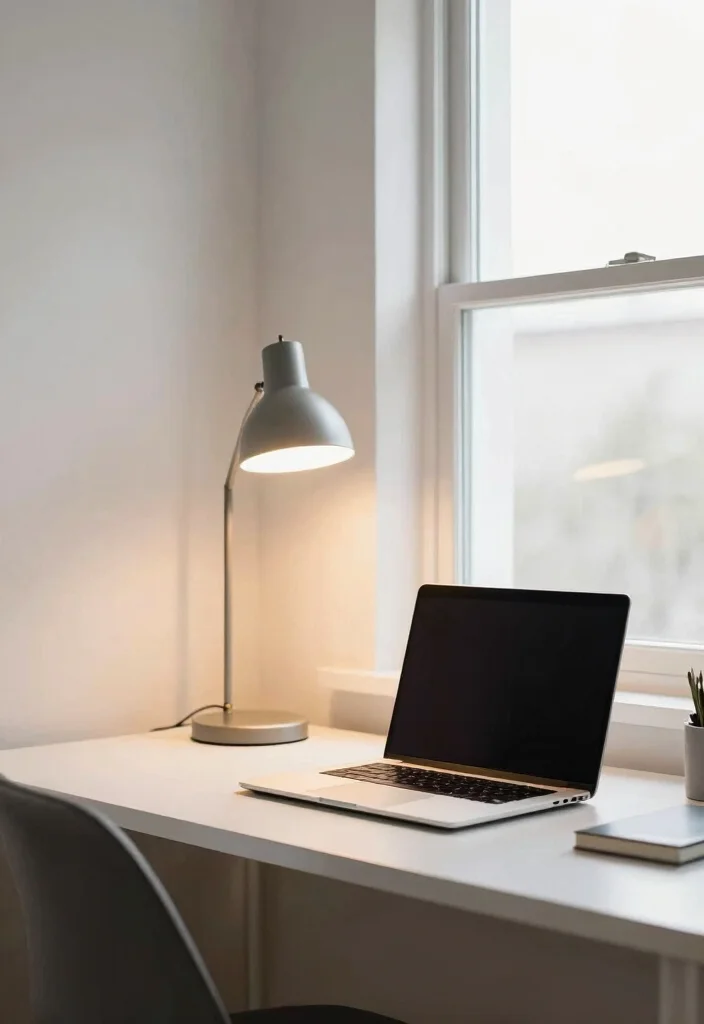
Proper lighting is a crucial element of any home office setup. Aim for a blend of overhead and task lighting to ensure you have adequate visibility for all your tasks. Desk lamps with adjustable brightness can help prevent eye strain during extended work sessions. Consider smart lighting options that allow customization based on your activities.
You can find budget-friendly lighting solutions at various home goods stores to enhance your workspace. This focus on functionality aligns with the increasing awareness of how vital good lighting is for productivity and comfort.
Lighting tips:
– Use warm white bulbs for a cozy atmosphere.
– Position lights to reduce shadows on your workspace.
– Incorporate dimmable features for added flexibility.
Creating a well-lit workspace can significantly improve both your comfort and focus.
Functional Lighting
Editor’s Choice


10. Multi-Functional Spaces
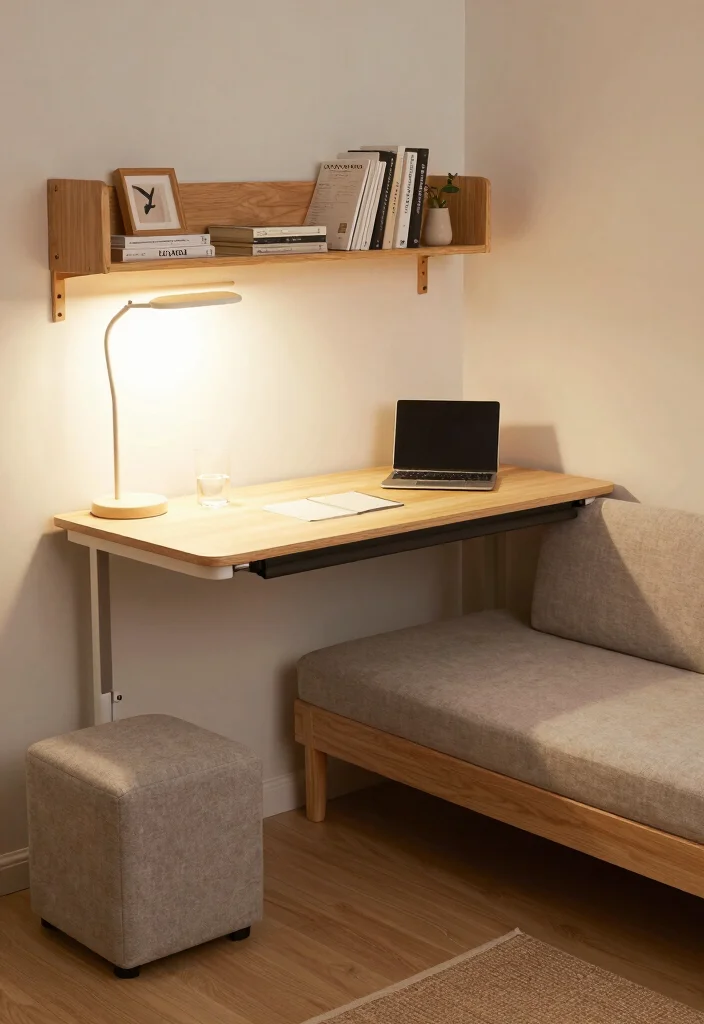
If you’re short on space, think about designing your office as a multi-functional area. This means creating a workspace that also serves as a guest room, reading nook, or hobby area. Consider using foldable furniture or convertible desks to maximize versatility and functionality.
Budget-friendly options include purchasing a sofa bed or repurposing existing furniture for dual use. This approach not only saves space but also aligns with modern living trends that advocate for flexible design.
Space-saving ideas:
– Use a sofa bed if the office doubles as a guest room.
– Install wall-mounted desks that can fold away when not in use.
– Incorporate storage ottomans that can double as seating.
This flexibility allows you to enjoy your home office for various activities while maintaining a stylish and functional environment.
11. Personalized Desk Accessories
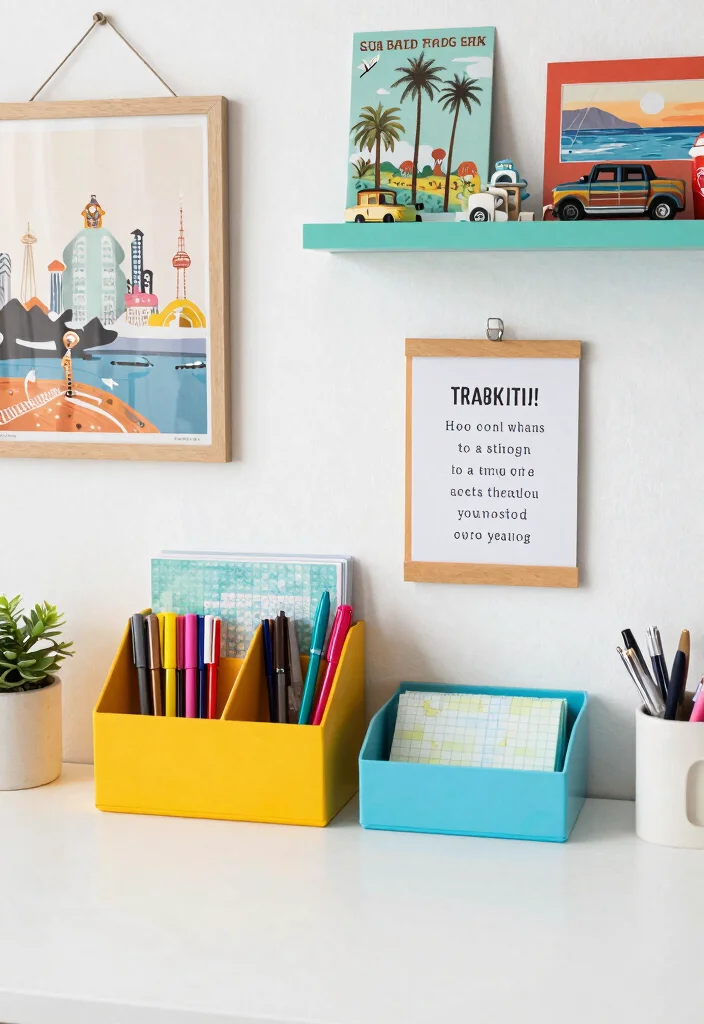
Add a unique flair to your workspace with personalized desk accessories that reflect your personality. Think about customizing items like mouse pads, pen holders, or desk organizers with bright colors or fun designs. Motivational quotes can also bring a sense of inspiration and warmth to your work area.
You can find affordable personalized accessories online or even create your own for a special touch. This trend emphasizes the importance of personal expression in home office design.
Accessory ideas:
– Use a colorful desk organizer to keep supplies tidy.
– Incorporate a motivational quote board to inspire you daily.
– Choose unique art pieces or souvenirs that remind you of your travels.
Personalized accessories create a sense of belonging and make your workspace feel truly yours.
12. Home Office Zoning
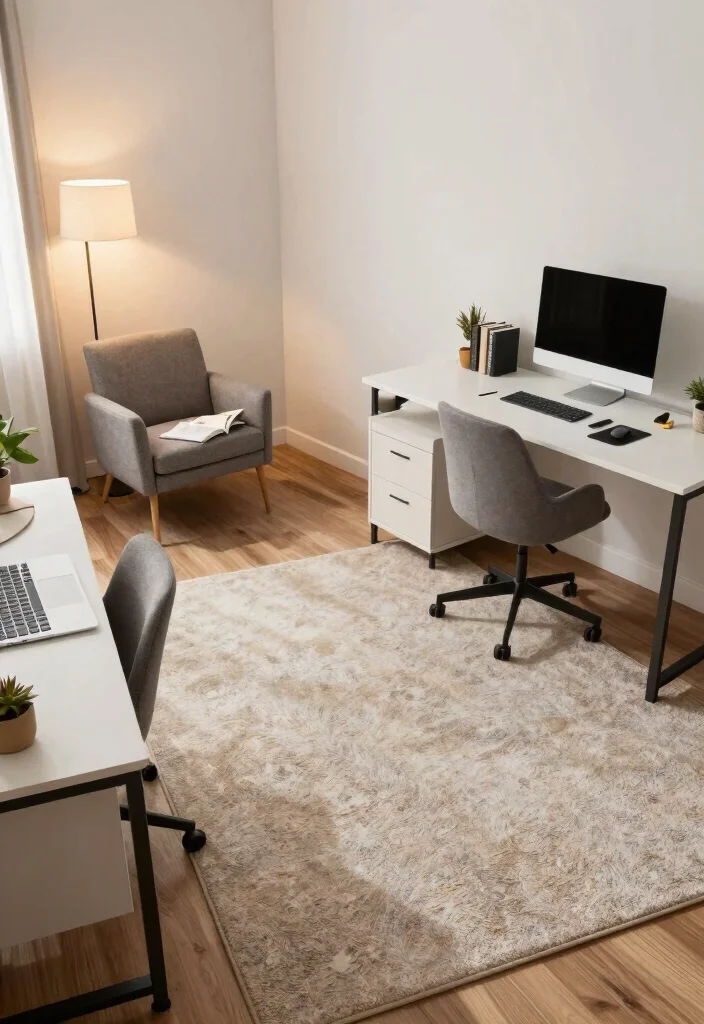
Creating distinct zones within your home office can enhance focus and improve productivity. Designate areas for computer work, reading, brainstorming, and even relaxation. Use rugs or strategic furniture placement to visually define these spaces, making it easier to switch tasks.
This approach allows for a structured environment that can be achieved with minimal investment, such as rearranging existing furniture. Home office zoning aligns with the trend of intentional design that promotes clarity and focus.
Zone ideas:
– Create a quiet reading corner with a comfortable chair and a lamp.
– Set up a brainstorming area with a whiteboard or pinboard.
– Designate a work area with all necessary tools within reach.
Zoning helps create a structured environment, making it easier to switch tasks and stay productive.
Did you know that clearly zoned home offices can boost focus by up to 28% in small spaces? Create dedicated zones for computer work, reading, and brainstorming, using rugs or furniture placement. It’s a low-cost tweak that makes home office ideas feel calm and productive.
Home Office Zoning
Editor’s Choice


13. Acoustic Considerations
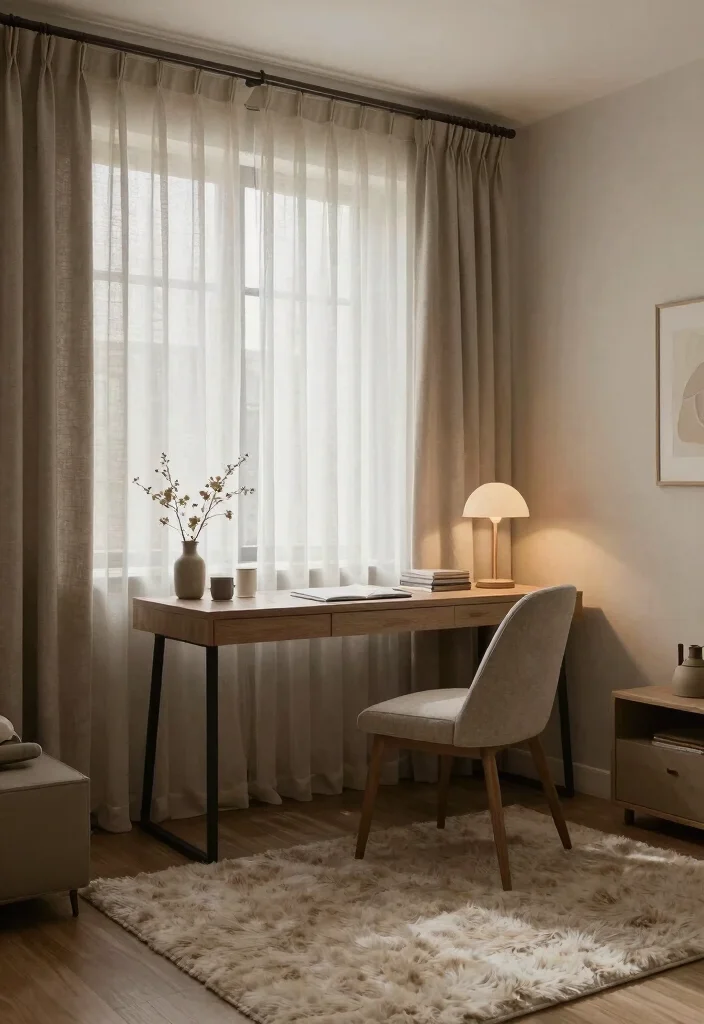
Managing noise levels in your home office is essential for maintaining concentration and productivity. Incorporate soft textiles, like rugs and curtains, to absorb sound and reduce distractions. Additionally, consider soundproofing panels if external noise becomes an issue. A white noise machine can also be beneficial for those particularly busy days.
Affordable solutions, such as heavy curtains or area rugs, can make a significant difference in your workspace. This trend highlights the importance of creating a peaceful environment for enhanced focus.
Noisy environment solutions:
– Use heavy curtains to block outside noise.
– Add rugs to soften sound reflections.
– Choose furniture that minimizes noise, like cushioned chairs.
Implementing these acoustic solutions can significantly improve your work quality.
Little changes, big calm: soft textiles like rugs and curtains can cut noise and boost focus in your home office ideas for small spaces. Add affordable soundproofing panels or a white noise machine to keep distractions at bay—and stay productive.
14. Technology Integration
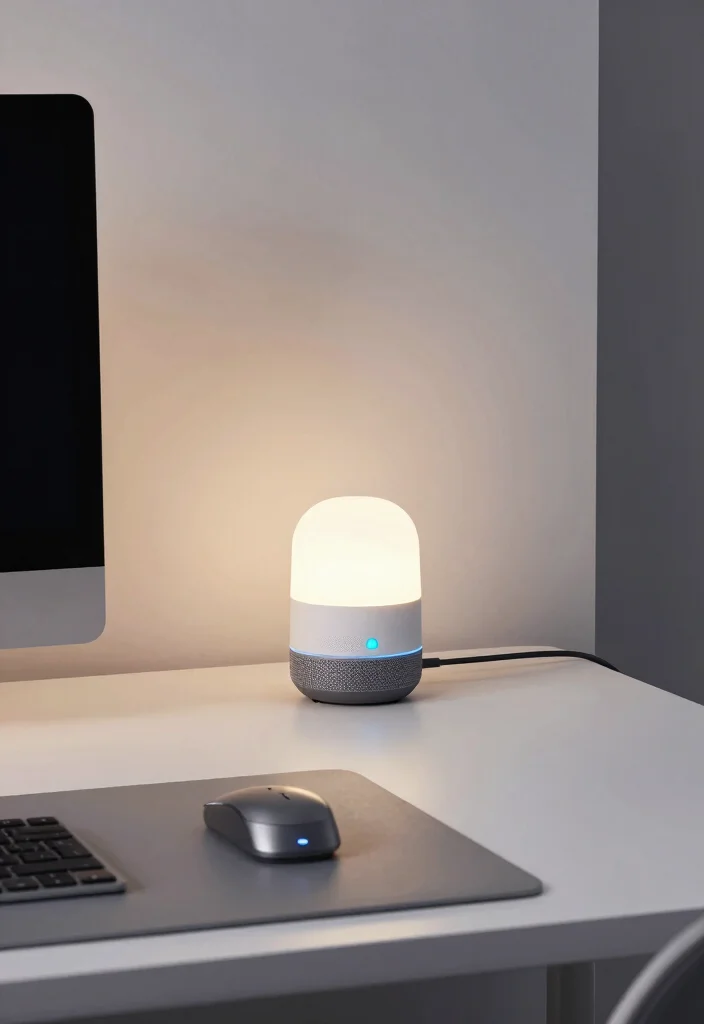
In our increasingly tech-driven lives, integrating technology into your home office is essential. Consider smart devices that enhance productivity, such as voice assistants, smart lighting, or wireless chargers. Keeping your tech organized is crucial, so opt for cable management solutions to avoid clutter.
Many budget-friendly options are available to help streamline your workspace while keeping it stylish. This trend reflects the modern need for efficient and functional home offices.
Tech tips for your workspace:
– Use wireless devices to reduce cable clutter.
– Invest in a smart speaker for hands-free assistive tasks.
– Optimize your Wi-Fi connection for seamless video calls.
Technology can simplify tasks and create a more efficient work environment.
Technology Integration
Editor’s Choice


15. Seasonal Decor Changes
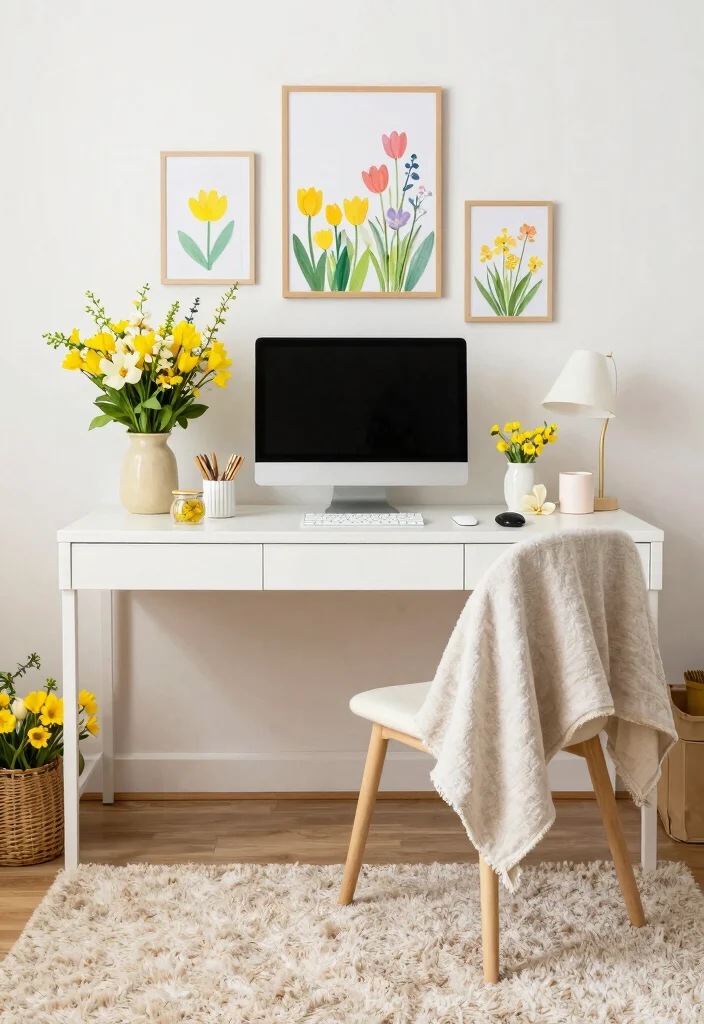
Refreshing your decor with the seasons can keep your workspace inviting and vibrant. Incorporate seasonal colors, decorations, or scents that reflect the time of year. For example, warm tones and cozy textiles in winter can foster a snug atmosphere, while fresh flowers in spring can brighten the space.
This doesn’t have to be expensive; simple DIY projects or seasonal accessories can easily update your look. This practice aligns with the trend of creating a dynamic and adaptable workspace.
Seasonal decor ideas:
– Use themed desk accessories that change with the seasons.
– Incorporate seasonal plants for a pop of color.
– Rotate artwork or prints to reflect your seasonal mood.
This practice not only keeps your office looking great but can also keep your motivation high throughout the year.
16. Mindfulness Breaks
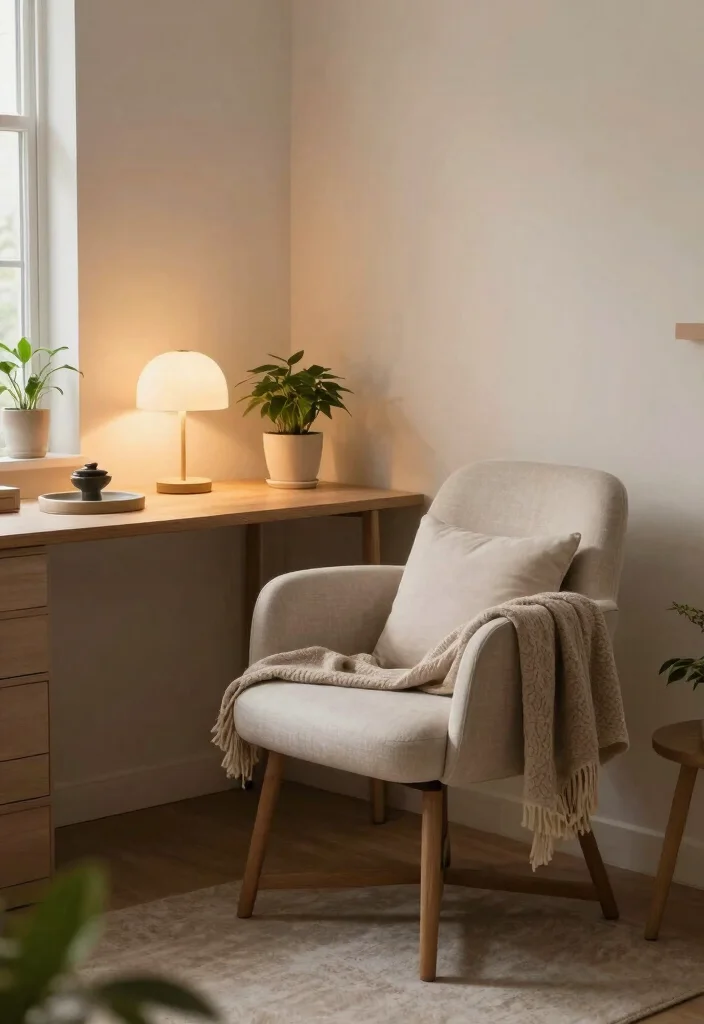
Incorporating mindfulness breaks into your work routine can enhance productivity while reducing stress. Designate a small area in your office for relaxation or meditation, creating a calming corner with a comfortable chair and gentle lighting. Consider adding soothing scents to this space for an even more tranquil atmosphere.
This intentional design can be achieved with minimal investment, such as using existing furniture. Emphasizing mindfulness reflects a growing trend of prioritizing mental well-being in workspaces.
Mindfulness tips:
– Set a timer for short breaks to clear your mind.
– Practice breathing exercises or stretch during breaks.
– Listen to calming music or nature sounds.
This mindful approach can help you recharge and stay focused throughout your workday.
Conclusion
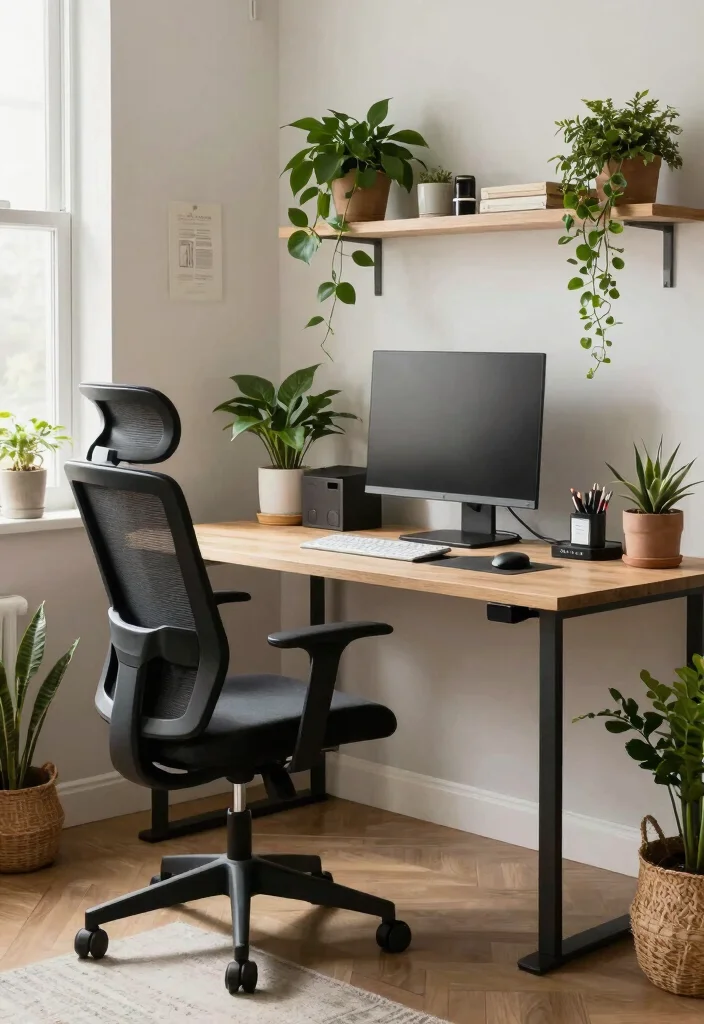
Incorporating these home office ideas can significantly enhance your work-from-home experience.
Whether through ergonomic furniture, creative designs, or smart storage solutions, there are countless ways to make your workspace comfortable and productive.
Utilize these tips to create a home office that not only meets your professional needs but also inspires you every day.
Note: We aim to provide accurate product links, but some may occasionally expire or become unavailable. If this happens, please search directly on Amazon for the product or a suitable alternative.
This post contains Amazon affiliate links, meaning we may earn a small commission if you purchase through our links, at no extra cost to you.
Frequently Asked Questions
What are some practical home office ideas for small spaces that still feel comfortable and productive?
Turn any corner into a productive workspace with practical home office ideas for small spaces. Start with an ergonomic furniture setup like a compact desk and supportive chair, perhaps a wall-mounted or fold-down option to save floor space.
Use vertical storage to boost workspace organization—think shelves, wall organizers, and labeled bins. Choose a calm color palette and good lighting to boost focus, and add a monitor arm plus tidy cable management to keep surfaces clear. Finish with multi-functional home office decor touches that make the space welcoming without clutter.
How can I improve workspace organization in a small home office without sacrificing style?
prioritize clever storage that keeps essentials within reach while preserving aesthetics. Install wall-mounted shelves or pegboards for workspace organization, add stackable trays and drawer dividers, and use labeled containers to minimize desk clutter. Opt for furniture with built-in storage and keep only the essentials on your desk to maintain a clean, inspiring home office decor look. Regular quick tidy sessions help sustain this balance every day.
What ergonomic furniture should I consider for a comfortable, compact setup?
Focus on the basics that make long days feel lighter: a chair with solid lumbar support and adjustable height, a compact desk at the right height, and an optional ergonomic furniture add-ons like a monitor arm, keyboard tray, and footrest. If space allows, a sit-stand converter can boost comfort without expanding the footprint. Don’t forget an anti-fatigue mat for standing tasks and thoughtful workspace organization to keep everything within easy reach.
What are some creative workspace designs that fit into small spaces?
Creative creative workspace designs for small spaces include corner layouts (L-shaped desks), floating or wall-mounted desks, and glass or light-colored surfaces to make the area feel bigger. Use vertical storage, plant life, and good lighting to add personality without clutter. Mirror-backed or translucent decor can enhance depth, while modular furniture lets you reconfigure your setup as needs evolve, keeping your home office decor fresh.
What quick productivity tips can help me stay focused and efficient in a home office?
Boost productivity with practical tips you can implement today. Try time blocking and dedicated work zones to minimize context-switching, single-task on important projects, and schedule short focused breaks. Minimize distractions by turning off non-essential notifications, using ambient lighting and a comfortable temperature, and keeping a tidy workspace organization routine. Small adjustments to your home office ideas can yield big gains in focus and efficiency.