Creating an efficient office setup is more crucial than ever, especially when many of us find ourselves navigating the remote work landscape. This post is born from the realization that a well-designed workspace can significantly enhance your productivity and overall well-being. It’s surprising how the right layout can inspire creativity and focus, turning your home office into a place where ideas flourish and work feels less like a slog.
If you’re someone who is working from home—whether you’re a freelancer, a full-time employee, or a business owner—these office setup ideas are tailored just for you. You’ll find practical designs that cater to your daily workflow, comfort, and even your unique style. After all, your workspace should reflect who you are and support your goals.
In this guide, you’ll discover 14 creative office setup ideas that will transform your home office into a hub of productivity. Each layout is designed to encourage better workflow while also being aesthetically pleasing. Whether you’re looking for minimalist designs, ergonomic furniture tips, or simply ways to spice up your home office decor, this post has you covered. Get ready to elevate your workspace and maximize your productivity!
Key Takeaways
– Explore various office setup ideas that enhance workflow and comfort, catering to different styles and needs.
– Discover the importance of ergonomic furniture in preventing discomfort and promoting better posture during long work hours.
– Learn how creative color schemes can influence mood and productivity within your workspace.
– Find inspiration in nature to create a calming atmosphere that boosts focus and reduces stress.
– Understand the benefits of multi-functional spaces and smart storage solutions to keep your office organized and clutter-free.
1. Minimalist Marvel
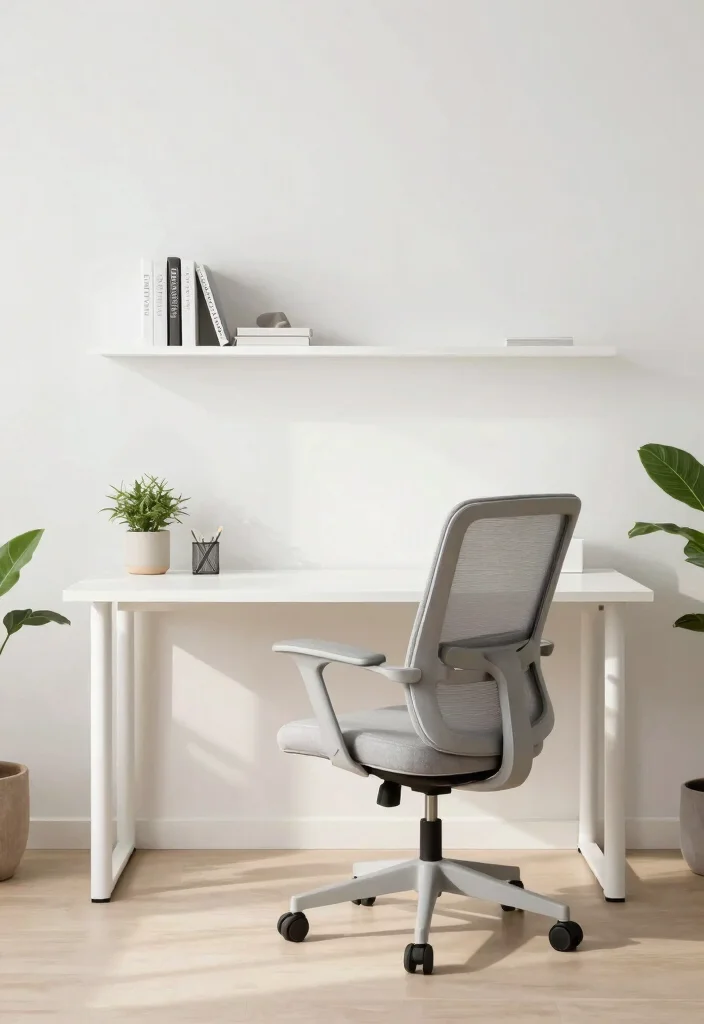
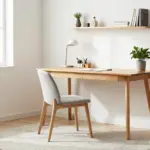
Embracing the principle of minimalism can lead to an office setup that enhances clarity and focus. A clean, uncluttered space allows your mind to breathe and concentrate on what truly matters. Consider a sleek desk paired with a comfortable chair in soft, neutral tones, creating a serene backdrop for productivity. A few carefully chosen plants can add a touch of life without overwhelming the senses.
To make this aesthetic work, focus on strategic placements and smart storage solutions. Look for budget-friendly options like second-hand furniture or DIY decor to keep costs down while achieving a polished look. This style aligns perfectly with the current trend toward simplicity and mindfulness in design.
Consider these elements to maximize this palette’s potential:
– Pair a simple desk design with floating shelves for decoration
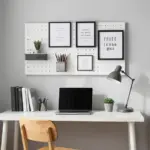
– Install a pinboard for organized notes and reminders
– Use soft, neutral colors to create a calming atmosphere
– Incorporate smart storage solutions to keep clutter at bay
This minimalist approach not only enhances your focus but also serves as a beautiful sanctuary for your productivity. By integrating natural textures and materials, you create a balanced and inviting workspace.
Fun fact: minimalist workspaces can boost focus by up to 20% and cut daily distractions in half. In a calm, uncluttered office, your mind breathes easier—try a sleek desk, neutral tones, and smart storage in your office setup ideas layout.
2. Cozy Corner Nook
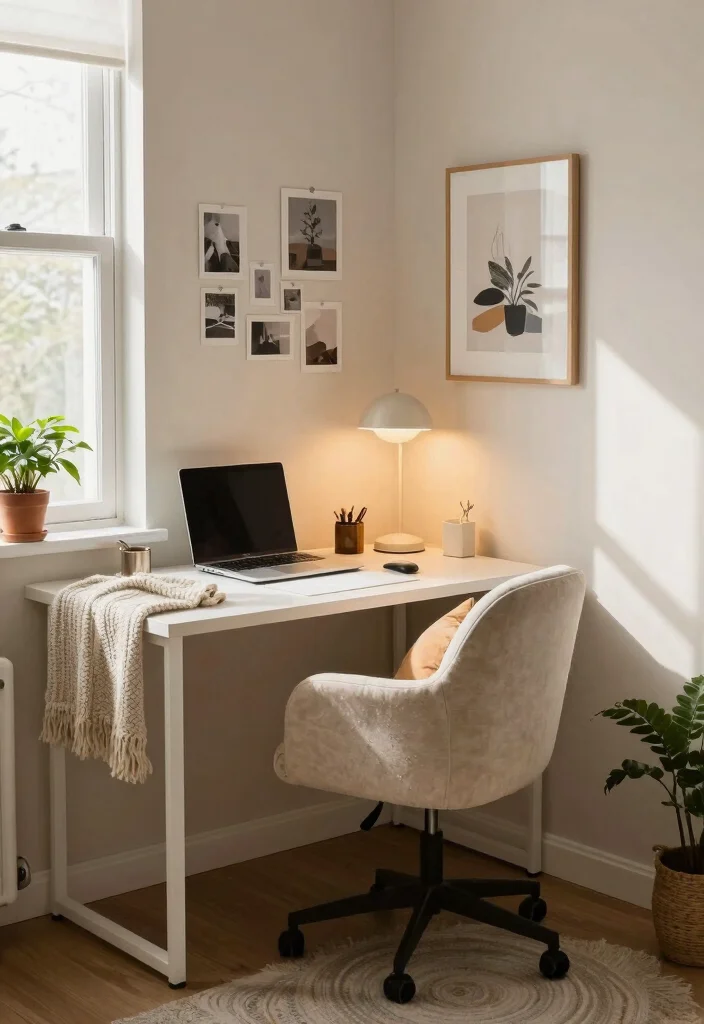
Transforming a corner of your home into a cozy work nook can make all the difference for those without a dedicated office. This intimate setup can be both snug and functional, creating a perfect retreat for productivity. Choose a corner desk complemented by a plush chair, inviting you to settle in and get to work. Add a stylish lamp for soft lighting and surround yourself with personal touches like favorite photos or artwork.
To maximize this space, focus on comfort and personal expression. Opt for budget-friendly decor items that bring you joy, such as thrifted finds or DIY projects. This cozy nook can transform work from a chore into a delightful experience.
Here are some ideas to enhance your cozy nook:
– Use a corner desk to efficiently utilize space
– Incorporate a comfortable chair for long work sessions
– Add ambient lighting with a stylish lamp
– Decorate with uplifting items like quotes or cherished books
This cozy corner serves as a personal retreat, making work feel less daunting while boosting your overall enjoyment and productivity.
Cozy Corner Nook
Editor’s Choice
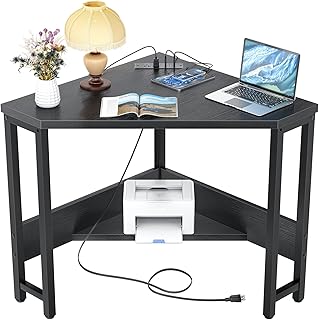



Dimensions & Size Guide
Standard Sizes & Measurements:
When setting up your home office, knowing the standard sizes for furniture and equipment is key to a successful layout. Here are common measurements you’ll need:
– Desk Height: Most desks range from 28 to 30 inches tall. A comfortable height allows your elbows to rest at a 90-degree angle. If you’re over 6 feet tall, you might need 30 to 32 inches for proper ergonomics.
– Desk Width: A minimum width of 48 inches is ideal for most tasks, while 60 inches or more provides ample space for a computer, paperwork, and personal items.
– Chair Height: Adjustable chairs should have a seat height of 18 to 22 inches, allowing your feet to rest flat on the floor.
– Monitor Height: The top of your monitor should be at or just below eye level. A good distance is about 20 to 30 inches from your eyes.
– Room Size: Aim for at least 10×10 feet for a functional workspace. This space allows for a desk, chair, and some storage without feeling cramped.
Quick Reference Table:
Size/Dimension – Best for: [use case], Minimum space needed: [measurement]
– Desk (48 inches) – Best for: Small spaces, Minimum space needed: 4×4 feet
– Chair (Standard) – Best for: Comfortable seating, Minimum space needed: 3×3 feet
– Monitor (24 inches) – Best for: Easy viewing, Minimum space needed: 2×2 feet
– Bookshelf (36 inches) – Best for: Storage and organization, Minimum space needed: 3×2 feet
– Filing Cabinet (24 inches) – Best for: Document organization, Minimum space needed: 2×2 feet
Space Planning Tips:
Planning your office layout can make a huge difference in your productivity. Here are some practical tips to get you started:
1. Measure Twice, Cut Once: Always double-check your measurements before purchasing furniture. A common mistake is underestimating the size of items, leading to a cramped space.
2. Leave Room to Move: Ensure there’s at least 36 inches of clearance around your desk for easy movement. This also helps prevent the feeling of being boxed in.
3. Consider Traffic Flow: Think about how you will move around your office. Avoid placing furniture in paths where you often walk.
4. Ergonomic Layout: Keep your keyboard and mouse within easy reach to promote good posture. Your chair should fit snugly under your desk with enough room to move freely.
5. Natural Light: Position your desk near windows for natural light but be mindful of glare on your computer screen. A well-lit area boosts mood and productivity.
Pro Tip: The most critical measurement to remember is the desk height. Ensure it complements your chair height for optimal comfort. If you can, invest in an adjustable desk that caters to your needs, whether you prefer sitting or standing while you work. 📏💡
3. Ergonomic Essentials
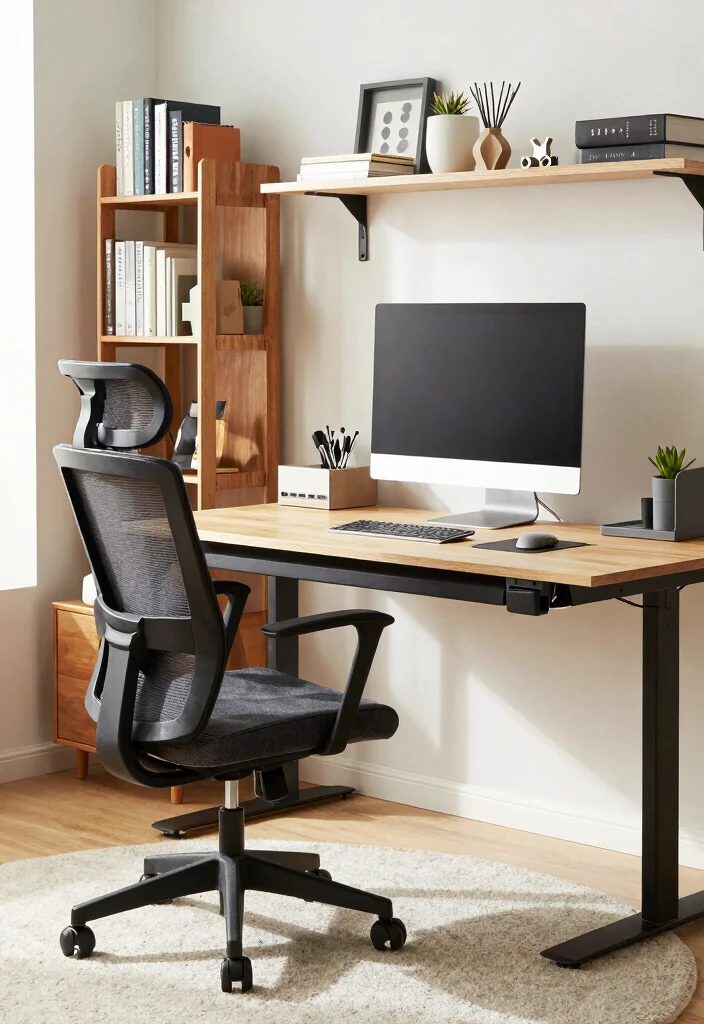
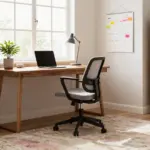
Creating an ergonomic workspace is essential for anyone spending hours at a desk. Investing in ergonomic furniture can dramatically elevate your comfort and health. Choose a chair designed for proper support, and pair it with an adjustable desk that allows you to switch between sitting and standing, promoting better posture throughout your workday.
To enhance your ergonomic setup, prioritize features that suit your needs. Look for budget-friendly options that maintain quality without breaking the bank, such as refurbished chairs or desks. Remember, a well-designed workspace supports your productivity and overall well-being.
Consider these ergonomic must-haves:
– Invest in an adjustable chair with lumbar support
– Use a height-adjustable desk for versatility
– Incorporate monitor stands to ensure proper screen height
By designing an ergonomic workspace, you not only invest in your health but also create an environment that boosts productivity and comfort.
4. Creative Color Play
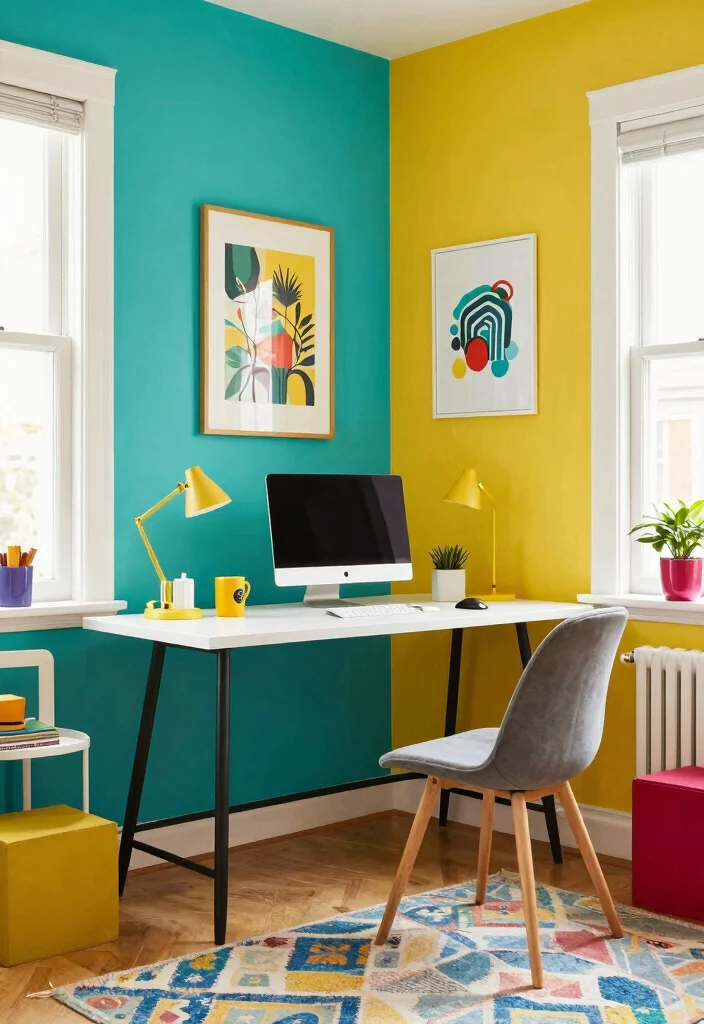
Colors have a profound impact on mood and creativity, making them vital in your office setup. A vibrant color palette can ignite energy and inspiration as you work. Consider painting one wall in a bold hue or incorporating colorful furniture pieces to give personality to your space.
To make the most of color in your office, think about how different shades can influence your work. Use budget-friendly paint options or colorful accessories to bring life to your space without overspending. This approach reflects the growing trend of using color psychology in design.
Here are some color considerations to inspire you:
– Use bright colors like yellow or orange to stimulate creativity
– Incorporate cooler shades like blue or green for calm and focus
– Add colorful accessories to enhance your unique style
A creative color layout not only showcases your personality but also enhances your workspace’s vibrancy and motivation.
Creative Color Play
Editor’s Choice


5. Nature-Inspired Oasis
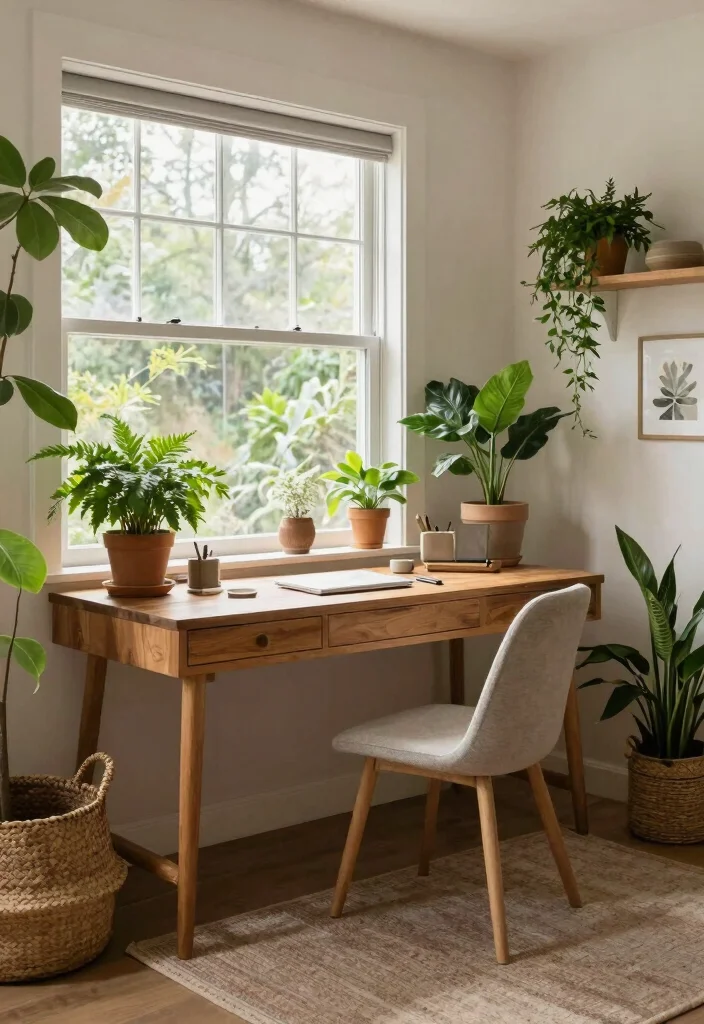
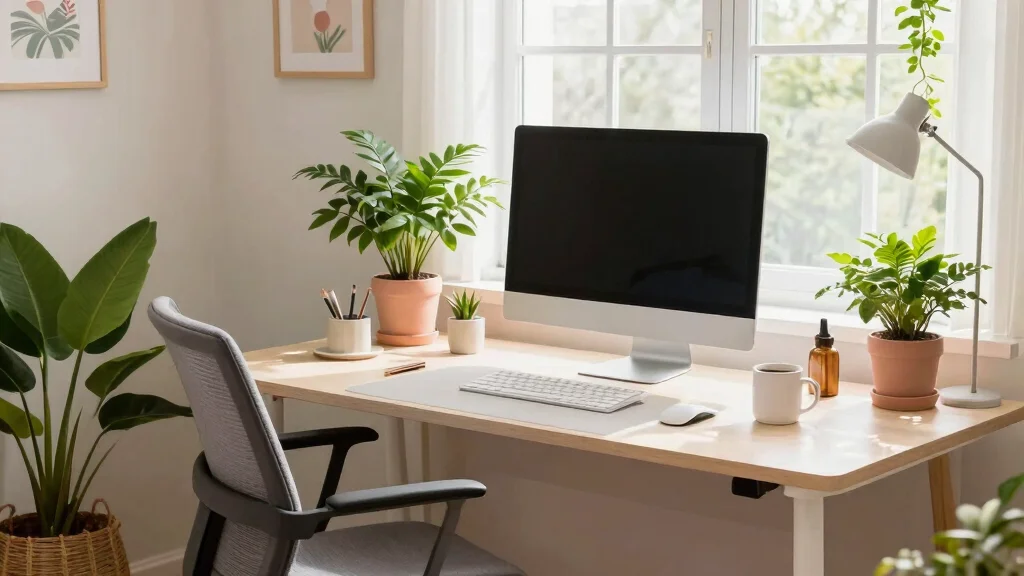
Bringing nature into your office can create a refreshing and lively environment. A nature-inspired setup incorporates plants, natural materials, and earthy tones, fostering a calming atmosphere. Opt for wooden furniture and decor to strengthen the connection to the outdoors.
To achieve this look, choose low-maintenance houseplants and explore budget-friendly options for natural materials. Incorporating greenery not only beautifies your space but also aligns with the trend of biophilic design, which emphasizes the importance of nature in our lives.
Consider these nature elements for your oasis:
– Incorporate houseplants like succulents or snake plants for air purification
– Use wooden desks and accessories for warmth
– Set up a small indoor garden for a vibrant touch
Creating a nature-inspired oasis can significantly enhance your workspace, turning it into a tranquil sanctuary that boosts your well-being.
Nature-Inspired Oasis
Editor’s Choice





6. Multi-Functional Space
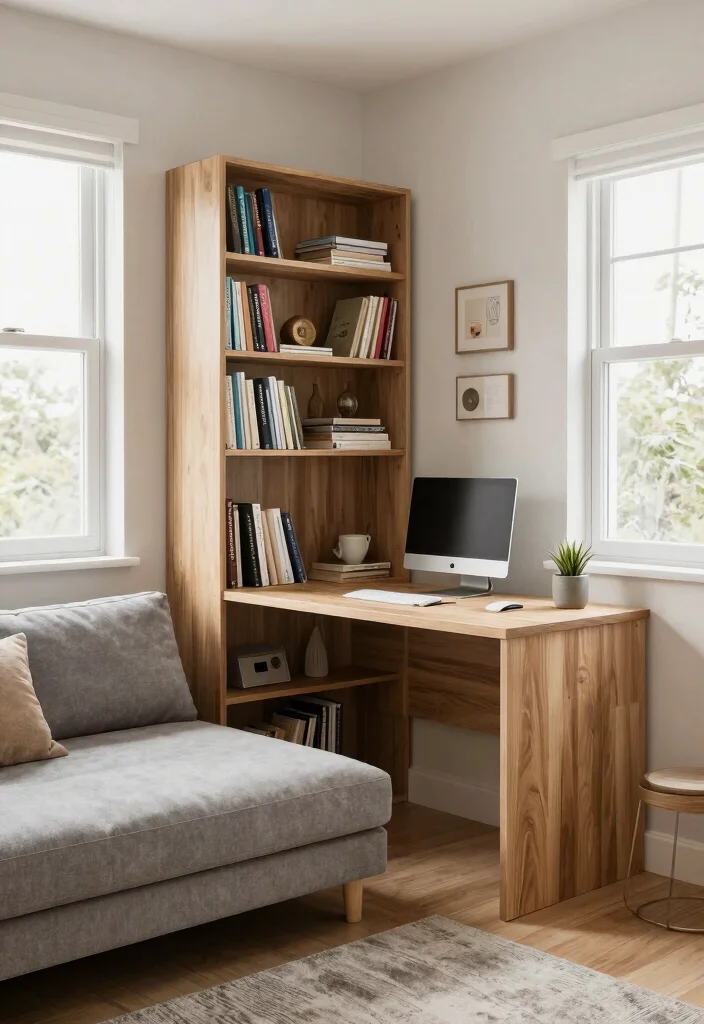
Designing a multi-functional office layout allows your workspace to serve various purposes. This is especially useful if you need to convert your office into a guest room or study area. By incorporating flexible furniture, such as a foldable desk or a Murphy bed, you can maximize your space without sacrificing style.
To achieve a versatile design, select items that fit your needs without breaking the bank. Explore budget-friendly options or multifunctional furniture that adapts to your lifestyle. This approach aligns with the trend of creating adaptable living spaces.
Consider these design features:
– Use foldable furniture for space-saving solutions
– Incorporate dual-purpose storage options like a desk that doubles as a bookshelf
– Create distinct zones for different activities
This layout encourages creativity and organization, making your workspace functional and aesthetically pleasing.
7. Tech-Savvy Setup
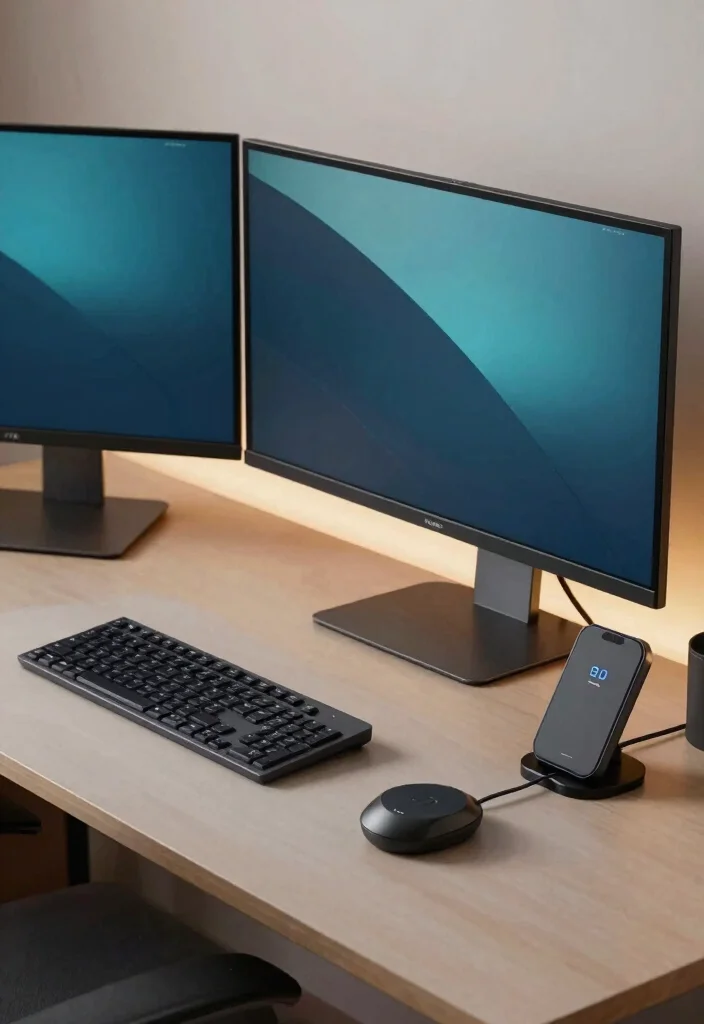
For those who rely on technology, a tech-savvy office setup is crucial. Invest in quality tech tools like a second monitor, ergonomic keyboard, and efficient charging stations to streamline your workflow. Organizing your tech helps maintain focus and efficiency in your work.
To maximize your tech setup, consider budget-friendly equipment that meets your needs without overspending. Look for sales or refurbished items that still offer high quality. This approach reflects the growing reliance on technology in everyday workspaces.
Here are some tech features to consider:
– Incorporate dual monitors to boost productivity
– Use wireless charging pads for convenience
– Implement cable management solutions to keep your workspace tidy
A well-designed tech layout can elevate your efficiency while providing a modern and sleek feel to your office.
Your tech should disappear into your workflow: add a second monitor, an ergonomic keyboard, and smart charging stations so everything runs smoothly. Look for budget-friendly gear or refurbished deals that meet your needs without overspending. A well-planned office setup ideas layout boosts focus and efficiency.
8. Vintage Touch
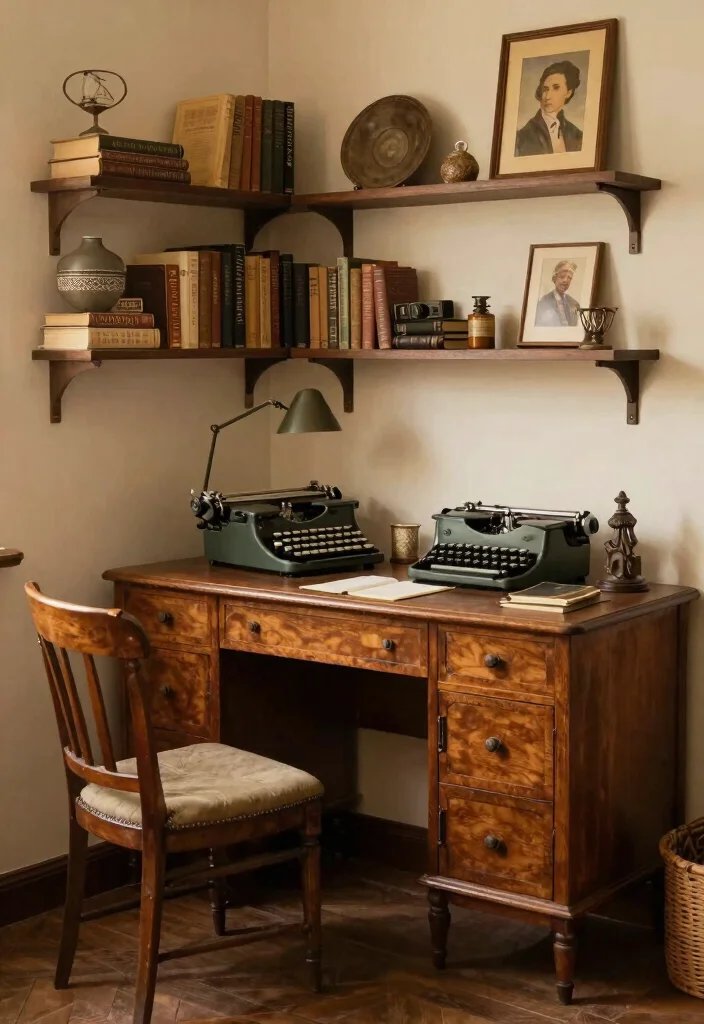
If nostalgia speaks to you, a vintage-inspired office can evoke warmth and uniqueness. Incorporate retro furniture pieces, like an antique desk or classic chair, blending them with modern functionality for a whimsical touch. This blend creates an inviting atmosphere that reflects your personality.
To achieve this look, consider thrifted items or family heirlooms that add character without a hefty price tag. This approach speaks to the trend of blending old and new styles in home design.
Here are some vintage charm elements:
– Use thrifted items or family heirlooms for character
– Mix old and new elements for a whimsical style
– Incorporate vintage books or art pieces for added interest
This layout not only showcases your individuality but also fosters a creative environment full of warmth and inspiration.
Vintage Touch
Editor’s Choice


9. Artistic Inspiration
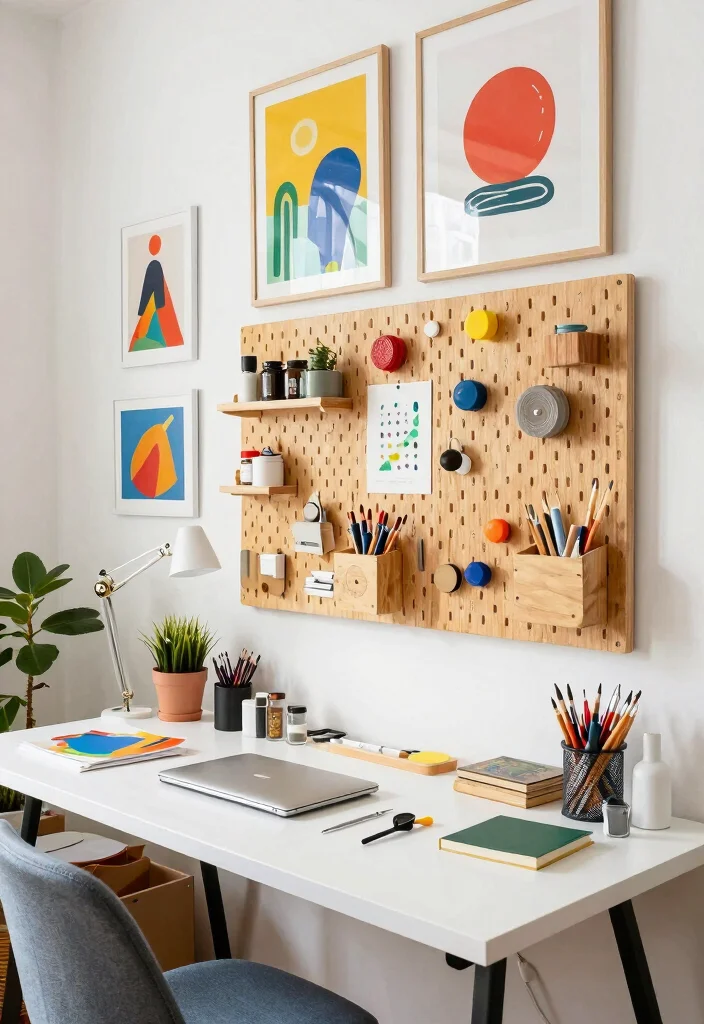
For creatives, an artistic workspace is essential for fostering inspiration. Use bold art pieces, colorful supplies, and whimsical decorations to invigorate your daily routine. A vibrant environment can spark your creativity and energize your work sessions.
To create this artistic layout, think about how you can incorporate affordable art and decor that resonates with you. This approach aligns with the trend of personalizing workspaces to reflect individual styles.
Consider these artistic layout features:
– Hang colorful wall art or create a mural to set the tone
– Use an open pegboard to display art supplies or inspiration boards
– Incorporate unique decor items that reflect your style
An artistic workspace can serve as a powerful catalyst for creativity and productivity, keeping your passion alive every day.
10. Open Layout Freedom
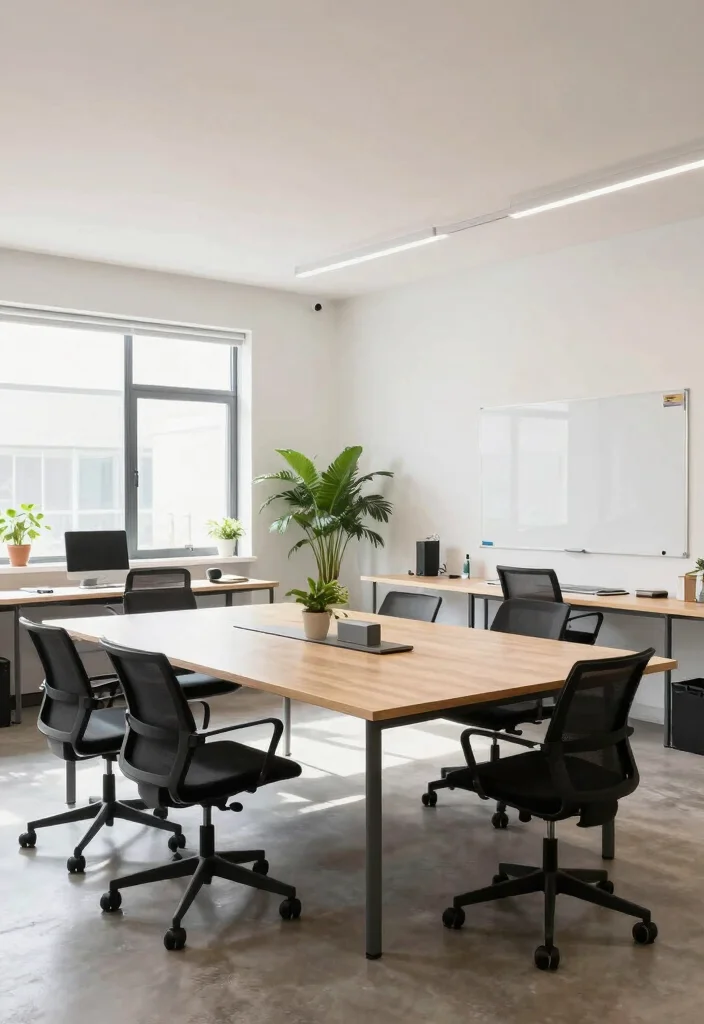
An open layout encourages collaboration and creativity, making it ideal for shared workspaces. Create an environment with large work surfaces that facilitate interaction and movement. This layout is perfect for brainstorming sessions and group activities.
To implement an open layout, focus on flexible furniture that can be rearranged easily. This setup reflects the trend of fostering teamwork and community in work environments.
Here are some open layout features to consider:
– Use large desks or communal tables for group activities
– Incorporate room for whiteboards or brainstorming areas
– Include movable furniture for adaptability
This design fosters a sense of connection and teamwork, making everyone feel engaged and inspired.
11. Personal Touch
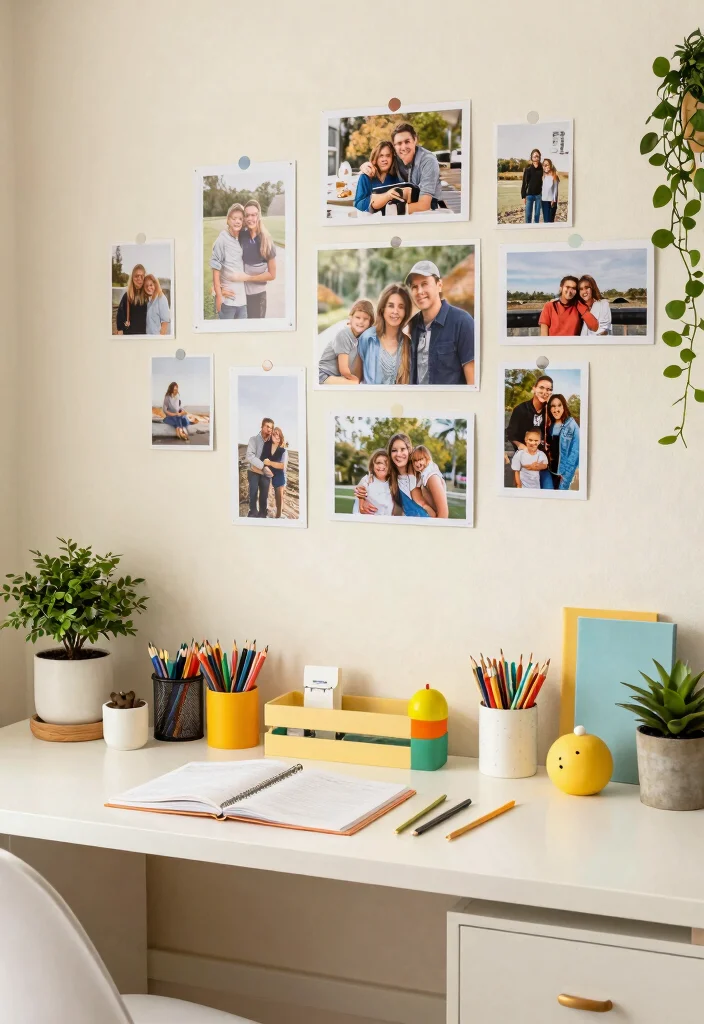
Make your workspace uniquely yours by adding personal touches that reflect your interests. Display travel mementos, family photos, or cherished quotes that inspire you daily. Personalization helps create a space you enjoy spending time in.
To incorporate personal touches, think about budget-friendly decor items that resonate with you. This approach aligns with the trend of creating personalized environments that enhance happiness and productivity.
Consider these personalization ideas:
– Create a gallery wall with photos and art that inspire you
– Use colorful stationery and desk accessories to bring joy
By infusing your workspace with your personality, you create an environment that boosts happiness and productivity.
Fun fact: Personal touches in your workspace can boost mood and productivity. People using budget-friendly decor—photos, mementos, and quotes—report up to 25% higher focus and more enjoyable days.
12. Smart Storage Solutions
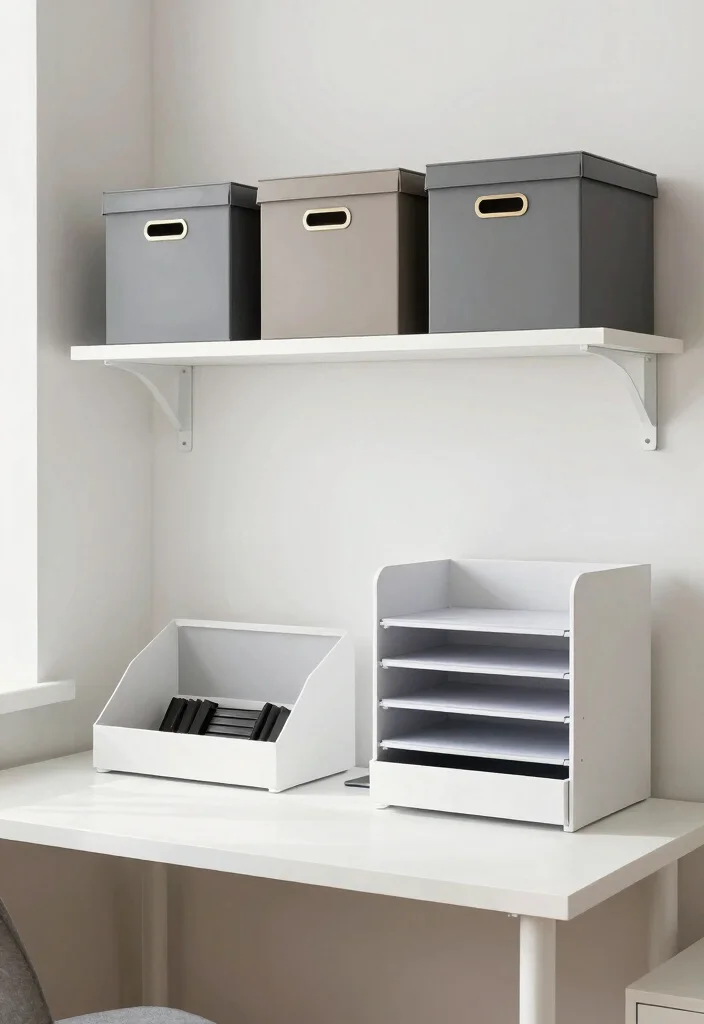
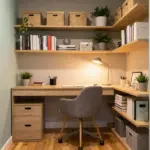
A cluttered workspace can create chaos in your mind. Implementing smart storage solutions is essential for maintaining an organized office. Use shelves, bins, and drawer organizers to efficiently store supplies and keep everything in its place.
To enhance your organization, consider budget-friendly storage options that maximize space and efficiency. This approach aligns with the trend of decluttering and simplifying work environments.
Here are some storage tips to keep in mind:
– Label boxes for easy identification
– Use vertical space with tall shelves for maximum storage
A well-organized office promotes a clear mind, enhancing productivity and making your workday more efficient.
13. Feng Shui Focus
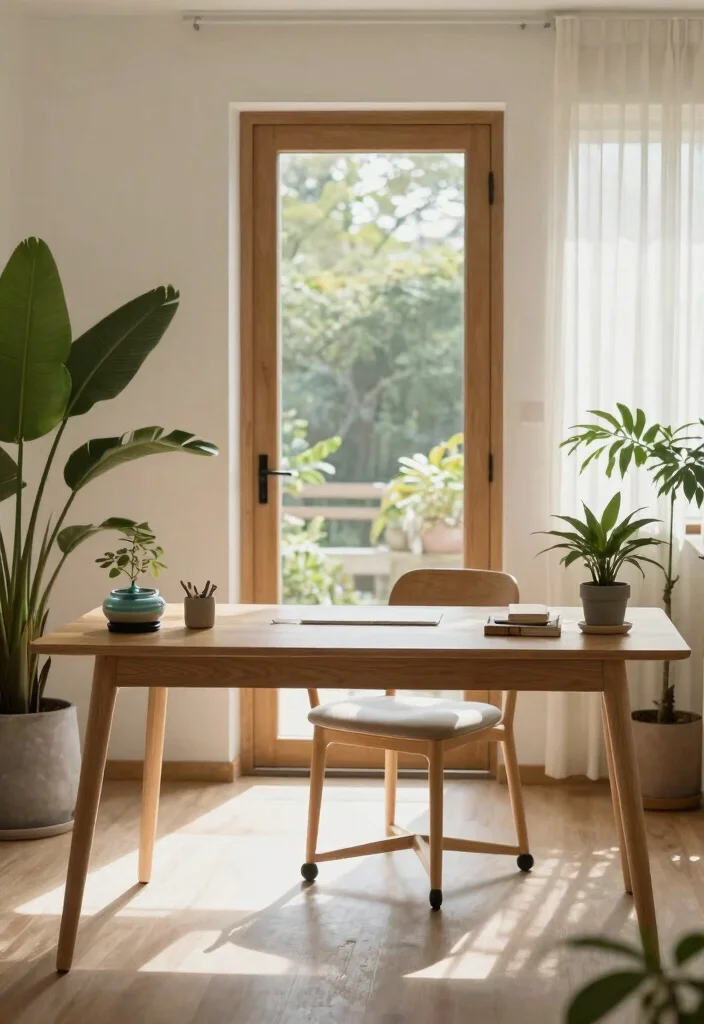
Applying Feng Shui principles can create a balanced workspace that enhances positivity and productivity. Arrange your desk to face the door but not directly in line with it, promoting a sense of control. Incorporate calming colors and natural elements to foster a soothing environment.
To implement Feng Shui effectively, focus on decluttering your space to improve energy flow. This approach reflects the growing interest in holistic design principles that promote well-being.
Consider these Feng Shui elements:
– Use water elements, like a small fountain, to encourage flow
– Arrange plants to enhance energy in the space
Creating a Feng Shui-inspired layout can significantly boost your focus and overall well-being.
14. Flexible Workspace
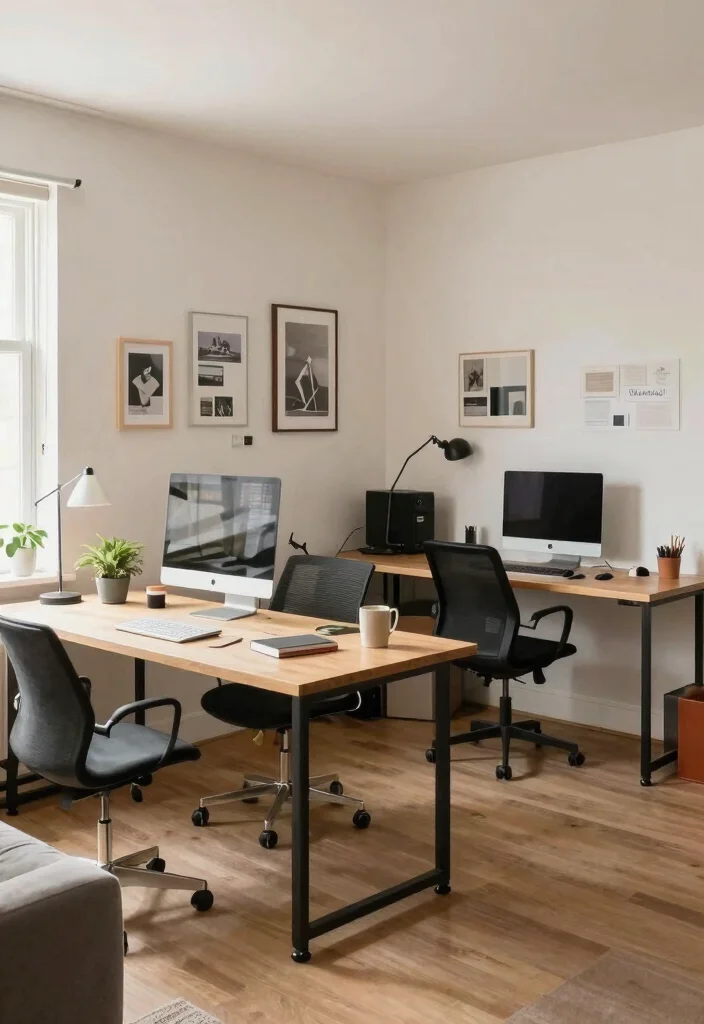
Flexibility is essential in a modern home office. Design a layout that can easily adapt to accommodate various tasks, whether working, meeting, or relaxing. By incorporating movable furniture and distinct zones, you can create a dynamic workspace.
To achieve flexibility, focus on furniture that can be easily rearranged or multipurpose. This approach aligns with the trend of creating adaptable spaces that cater to different needs.
Consider these flexible features:
– Use movable furniture for easy adaptability
– Create different zones for working, resting, and brainstorming
A flexible workspace encourages creativity and productivity, allowing you to adjust to whatever the day brings.
Flexible Workspace
Editor’s Choice


Conclusion
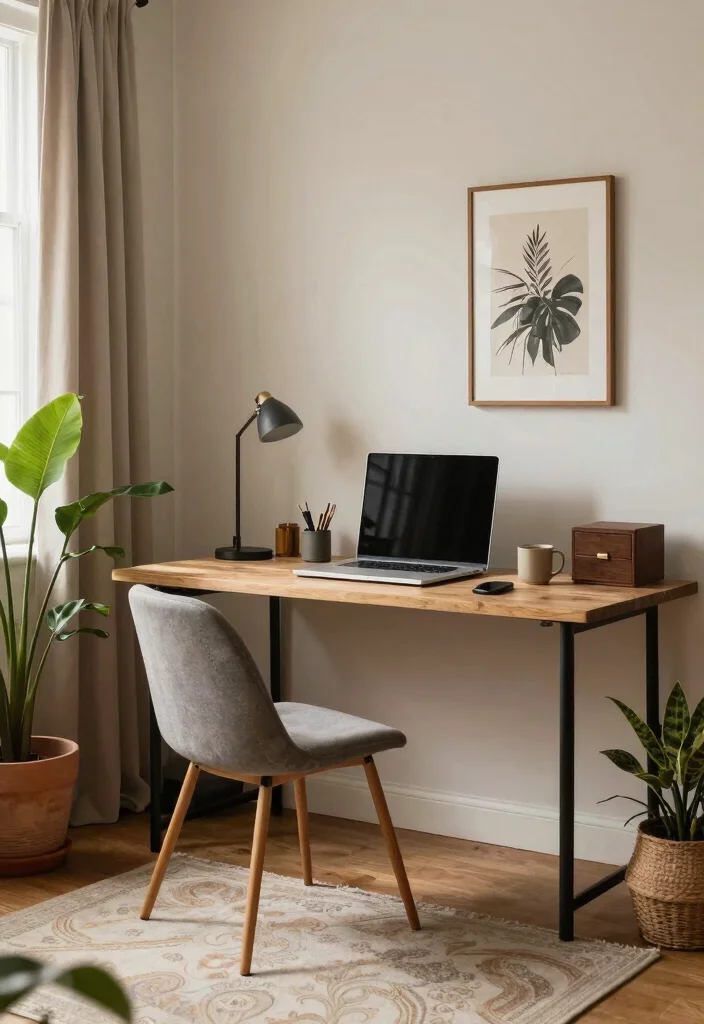
Elevating your home office setup is all about finding what works best for you. Whether you’re drawn to the minimalist aesthetic or crave a vibrant, colorful environment, the key is to create a space that fosters productivity and comfort. Take the time to experiment with these ideas and personalize your workspace to fit your unique style and workflow.
Your home office is more than just a place to work; it’s a reflection of your creativity and personality. Happy designing!
Note: We aim to provide accurate product links, but some may occasionally expire or become unavailable. If this happens, please search directly on Amazon for the product or a suitable alternative.
This post contains Amazon affiliate links, meaning we may earn a small commission if you purchase through our links, at no extra cost to you.
Frequently Asked Questions
What are the best office setup ideas layout for a better workflow in a home office?
Begin by measuring your space and defining clear zones: a dedicated work zone, a storage zone, and a small break area. This helps your brain switch gears for better focus.
Choose a height‑adjustable desk and an ergonomic chair with good lumbar support, with the monitor at eye level to protect your neck. That’s the core of ergonomic furniture and workspace organization for a healthier setup.
Mount a simple cable tray or clips to keep wires tidy and use storage boxes or shelves to reduce clutter.
Light matters: maximize natural light and add a neutral task lamp with adjustable brightness. Finish with a few plants or a corkboard to personalize your home office design.
How can I design a productive layout with creative office layouts ideas?
Start with a quick space map: sketch the room, mark zones for deep work, video calls, storage, and a small relaxation area. Try different layouts like an L‑shape or a floating desk to see what fits your space and flow.
Position your primary screen near a natural light source when possible and keep a secondary monitor or laptop within easy reach to support creative office layouts that boost collaboration and focus. Use productivity tips such as batching tasks, dedicated call corners, and quick‑access storage to keep everything in reach.
Finish with adjustable lighting, noise control, and personal touches to match your home office design.
What practical tips help with workspace organization in a small home office?
Small spaces benefit from smart vertical storage: install wall shelves, pegboards, and slim sideboards to keep essentials within arm’s reach and reduce desk clutter. Choose a compact or wall‑mounted desk with built‑in storage, plus a rolling cart that tucks away when not needed.
Bundle cables with clips and a small cable box to keep cords out of sight. Use color‑coded folders and labeled bins to boost workspace organization without taking up extra space. Finish with a comfortable chair that fits the footprint and supports good posture for long work sessions.
What ergonomic furniture essentials should I invest in for a comfortable, productive setup?
Invest in ergonomic furniture that supports a comfortable, sustainable workday: an adjustable chair with good lumbar support, a sit‑stand desk to alternate between sitting and standing, and a monitor arm to keep the screen at eye level. Add a keyboard tray and a mouse with ergonomic design, plus a footrest if needed. Pair with anti‑glare lighting to protect your eyes and a small workspace organization system to keep essentials within reach. This is central to home office design and productivity tips.
How can I optimize lighting and acoustics to boost focus in a remote office layout?
For a calm, focused remote office layout, start with lighting: maximize natural light and add a adjustable task light with a warm color temperature (around 3500–4000K) for long work sessions. Use a light source near your primary work area and avoid harsh glare. For acoustics, soften sound with a rug, curtains, or acoustic panels, plus a small white noise machine if needed. Create distinct zones for deep work vs calls to minimize interruptions. All of this supports a better home office design and keeps productivity tips on track.